Why? The Blog
Design Considerations: Irrigation Choices
"What Type of Irrigation Should I Use?" Is a Trick Question.
"What type of irrigation should I use?" It seems like a simple question, but the answer is usually more complex than homeowners expect.
As an irrigation designer, I’ll admit my excitement for the "perfect" setup isn't always shared. Most people expect a one-word answer—drip or sprays—and are instead met with a rapid-fire interrogation:
Do you have any existing irrigation? What’s your water source and psi?
How many gallons per minute are available?
Are you germinating seeds or planting starts? Full sun or shade?
What’s your soil type? Is there a slope?
I know—it’s a lot. But here’s why those questions matter:
Existing Layout Dictates the Design
If you already have a system, we might simply retrofit a zone with pressure compensation and filtration. Depending on your water source, you might need a pressure reducer, an inline pump, or specific filtration for algae and sediment. If your design calls for 20 gallons per minute but your source only provides 10, your sprinklers simply won't perform.
Plants and Lifestyle Matter
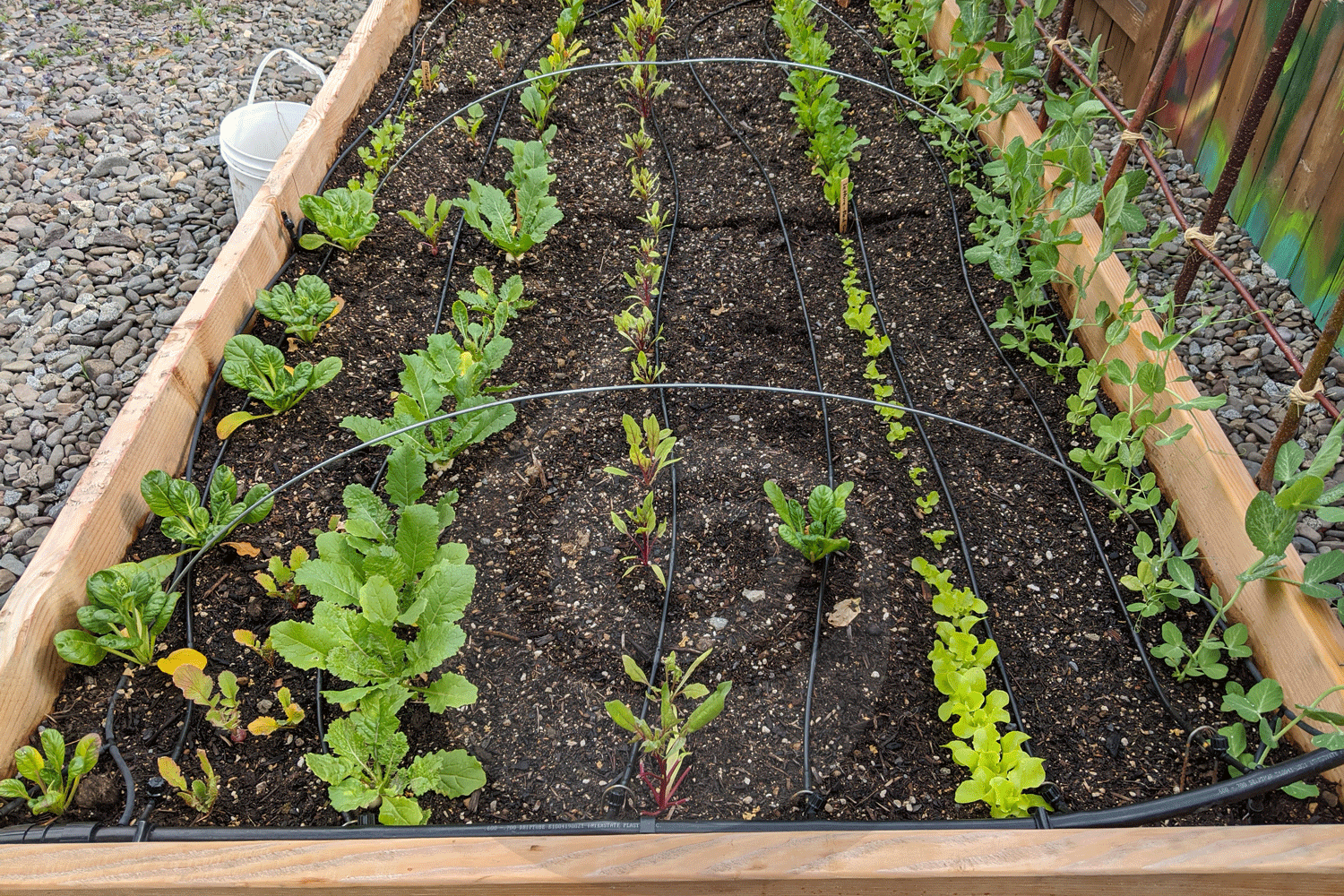
What you grow changes how you water. Germinating seeds is a struggle with drip tape but easy with sprays. Conversely, many plants hate wet foliage, making soil-surface drip irrigation the more efficient, healthier choice. Even your lifestyle plays a role—wanting to monitor your garden from a smartphone while on vacation requires a completely different setup than a manual hose-and-faucet approach.
The Land Itself
Soil intake rates and slope are the difference between a thriving garden and wasteful runoff or erosion. Even sun exposure matters; full-sun areas often require tighter emitter spacing than shadier spots on the same property.
The Bottom Line
Every site is a unique puzzle of water sources, soil, and plants. While your neighbor’s setup is a great starting point, remember that even slight differences in pressure or slope can be the difference between a functional system and a failing one. Before you dig, make sure you're answering the right questions.
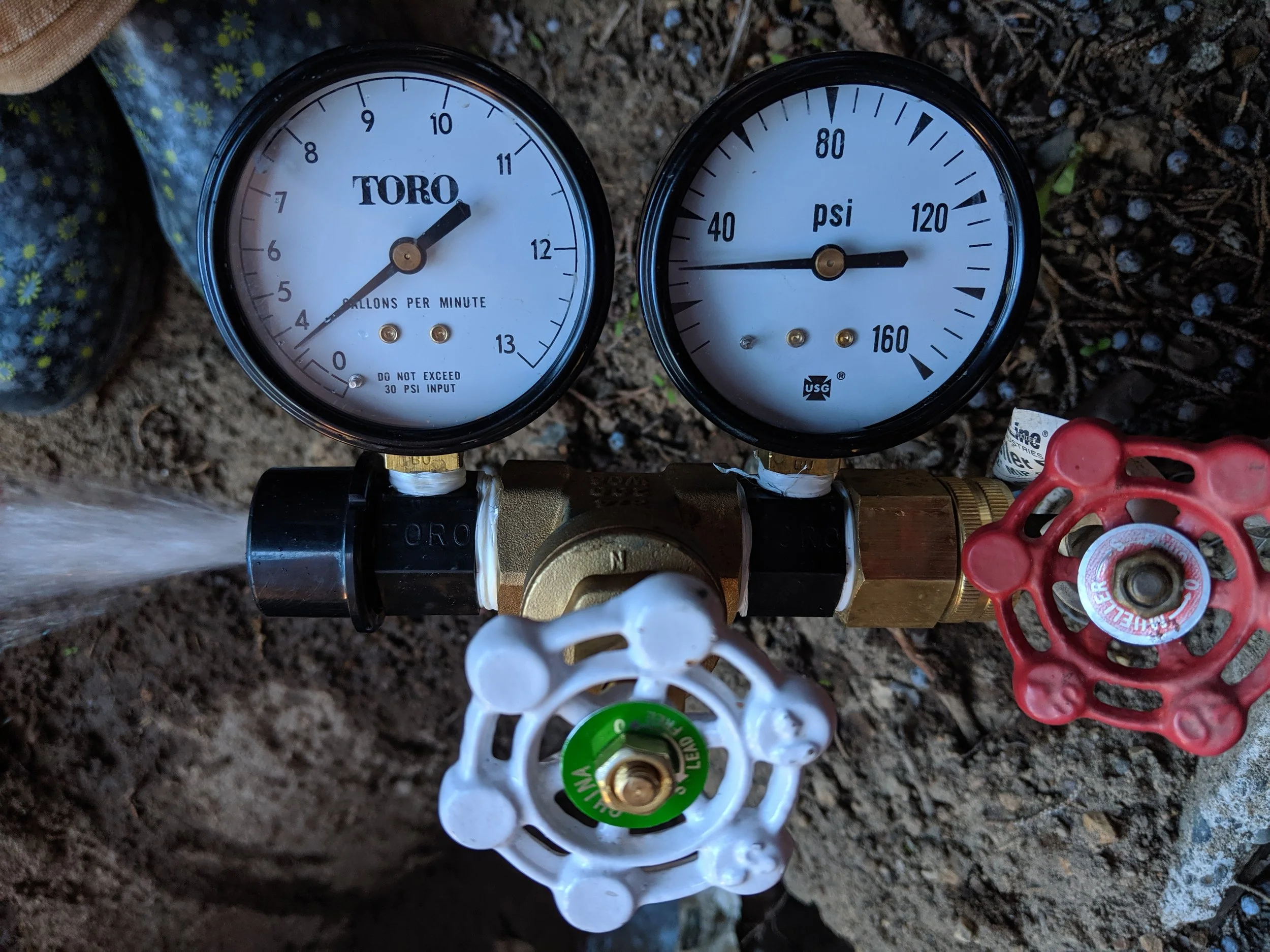
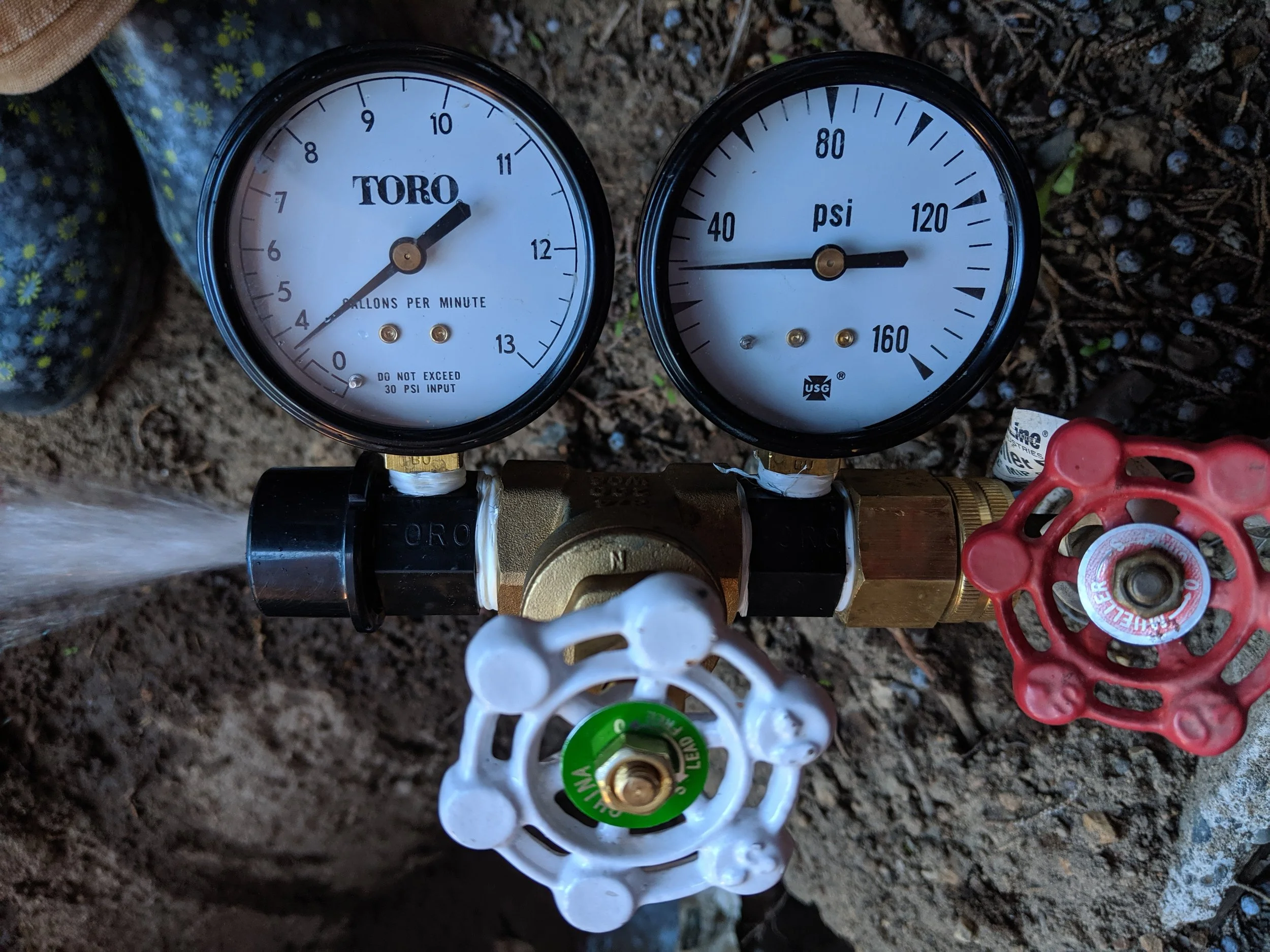
The go-to tool for determining design capacity and troubleshooting irrigation systems, a psi/flow gauge.
Design Considerations: Synthetic Turf
The Hidden Costs of "Forever Green": Is Artificial Turf Actually Sustainable?
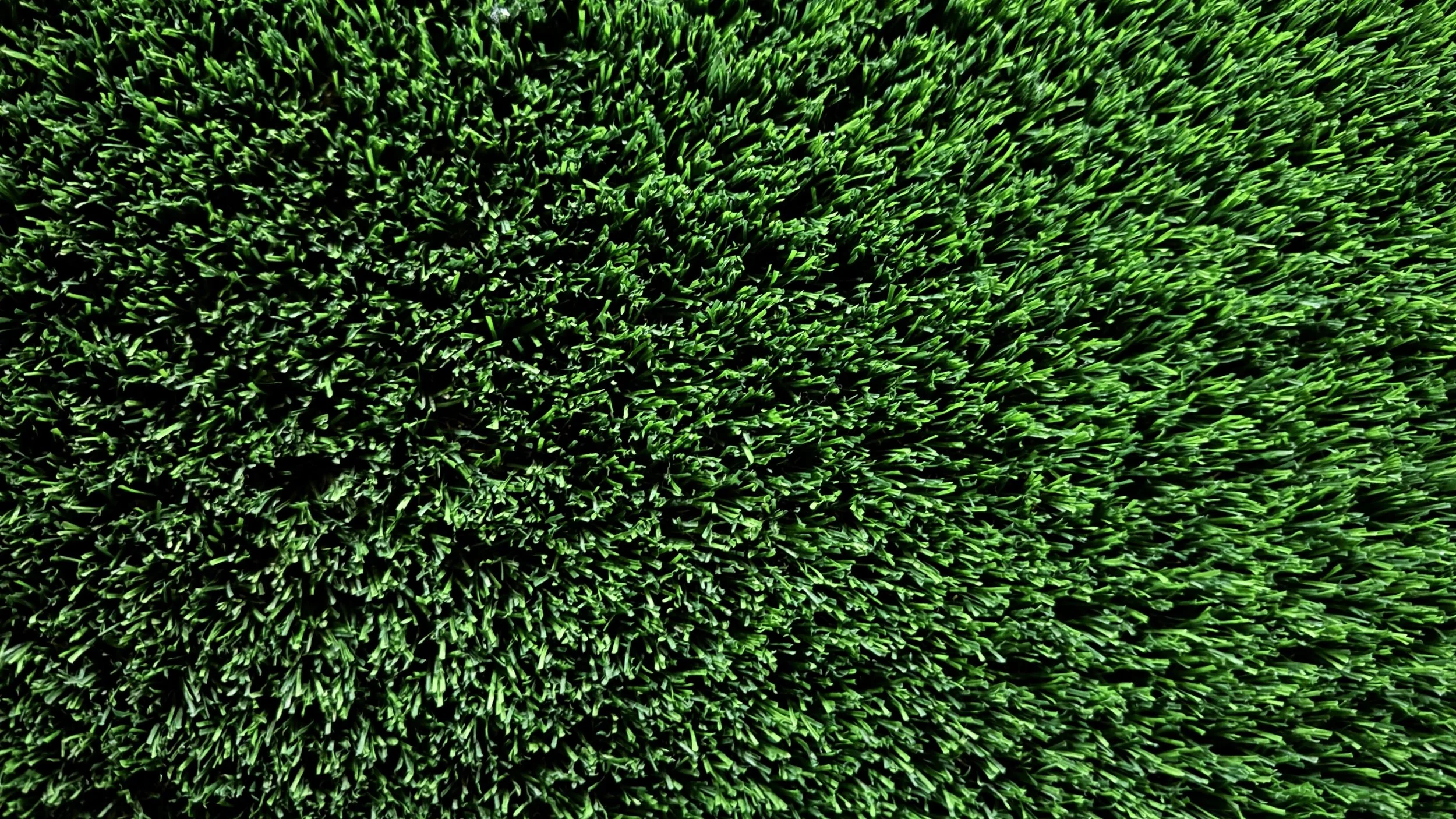
According to recent industry data, the artificial turf market is projected to surge from $7.31B in 2025 to over $16.51B by 2035. Driven by a surge in sports facility development and a residential desire for a "perfect" aesthetic, synthetic grass is often marketed as the ultimate eco-friendly solution to mowing and watering.
At a glance, the argument is compelling: no water, no fuel-burning mowers, and a green lawn year-round. However, before you replace your living soil with a layer of plastic, there are several critical factors to consider.
1. The Maintenance Myth
While you may save time on mowing, synthetic turf is far from maintenance-free. Without regular rain, these plastic fibers capture dust and pollen, quickly appearing dingy.
Water Usage: Ironically, many installations require an irrigation system just to rinse the turf. This is a necessity for pet owners, as urine and debris require specialized infills and frequent washing to manage odors.
The Heat Factor: Synthetic turf can become dangerously hot—often reaching temperatures that can burn paws or melt under reflected sunlight. Without consistent shade, it is rarely a safe surface for pets or children during the summer months.
2. The Plastic Problem
There is a profound irony in laying a sheet of petroleum-based plastic over the Earth in the name of "sustainability."
The synthetic fibers, backings, and rubber infills often contain toxic chemicals that pose risks to human health. Over time, UV radiation and physical wear break these materials down into microplastics. These particles eventually migrate into our soil, waterways, and oceans, entering the food chain and impacting marine life and human health alike.
Furthermore, synthetic sports fields have been linked to increased health risks for athletes, including:
Inhalation of asthma-triggering chemicals.
Increased frequency of skin burns and heat-related illnesses.
Higher incidences of MRSA (methicillin-resistant Staphylococcus aureus) due to the non-breathable surface.
3. Life Cycle and Environmental Impact
Even high-quality turf has a limited lifespan—typically 10 to 20 years. To keep it looking like real grass, the blades must be periodically raked and replenished with infill.
While some manufacturers claim their products are recyclable, the reality is that the vast majority of spent turf ends up in landfills. Because it is not biodegradable, every square foot of artificial lawn installed today will remain on the planet for centuries.
4. The Death of the Soil
Perhaps the most detrimental impact of artificial turf is what happens beneath the surface. A synthetic lawn effectively suffocates the living soil biome.
Sterilization: The extreme heat generated by the plastic "bakes" the soil, killing beneficial bacteria and fungi.
Compaction: The installation process requires heavy compaction, resulting in inactive, unhealthy soil that can no longer support life or properly filter rainwater.
Choosing a Truly Green Alternative
If you are looking to reduce your environmental footprint, artificial turf may not be the answer. Fortunately, there are better ways to achieve a low-maintenance, beautiful landscape without sacrificing the health of our planet:
Drought-Tolerant Turf: Explore low-water grass varieties specifically bred for your climate.
Native Landscaping: Utilize native plants that thrive naturally with minimal intervention.
Xeriscaping: Creative hardscaping and mulch-based designs that offer beauty without the water bill.
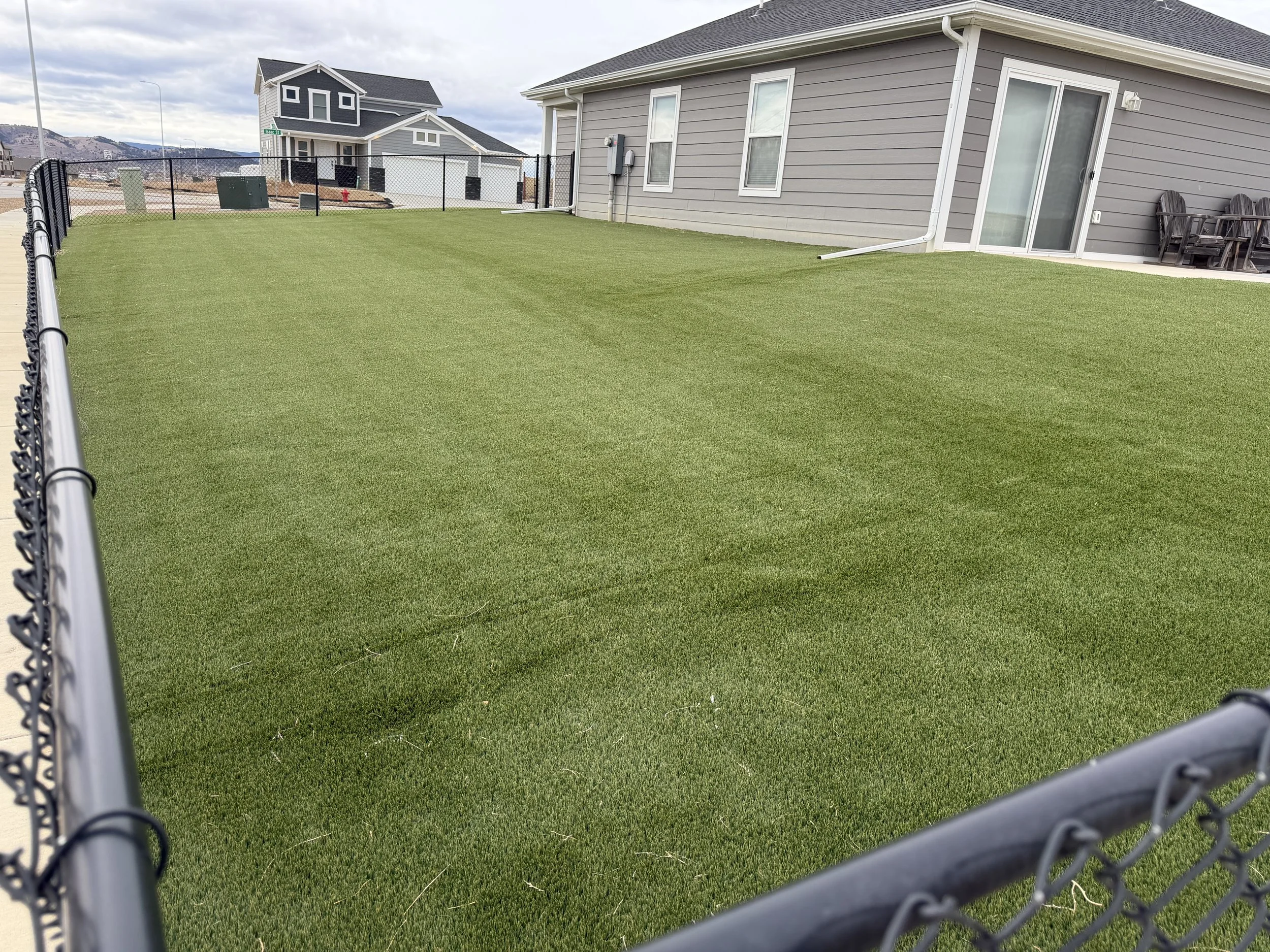
Every site and end-user is unique. While high-quality synthetic turf now offers realistic aesthetics—featuring varied shades, blade thicknesses, and integrated thatch layers—it is only an ideal solution if it aligns with the project’s objectives, site conditions, and budget. Ultimate success of any project depends on proper installation and maintenance. To ensure a sound investment, it is essential to weigh the total lifecycle costs against alternative options before finalizing a decision.
Ready to transform your space?
Contact us today to schedule a consultation.