Why? The Blog

Celebrate: Earth Day!
Every day is Earth Day for us.
This time of year is especially significant as we to celebrate the planet and contemplate our individual impact on it.
We are excited to join the conversation regarding water conservation and the proposed Missouri River pipeline for Western South Dakota.
Join us at Hay Camp Brewing to ask the panel of experts your water conservation questions.

Landscape Tips: Time to Turn on Your Irrigation System
With the weather warming up and continued drought, gardeners and landscape enthusiasts are eager to activate their irrigation systems. After an especially dry winter, landscapes are thirsty and ready for a drink.
However, it is important to remember that early-season watering needs differ from those in mid or late summer. Adjusting your irrigation controller now is critical to avoid overwatering, which can harm soil and plant health, waste water, and spike your utility bill.
Here are a few tips for early-season irrigation:
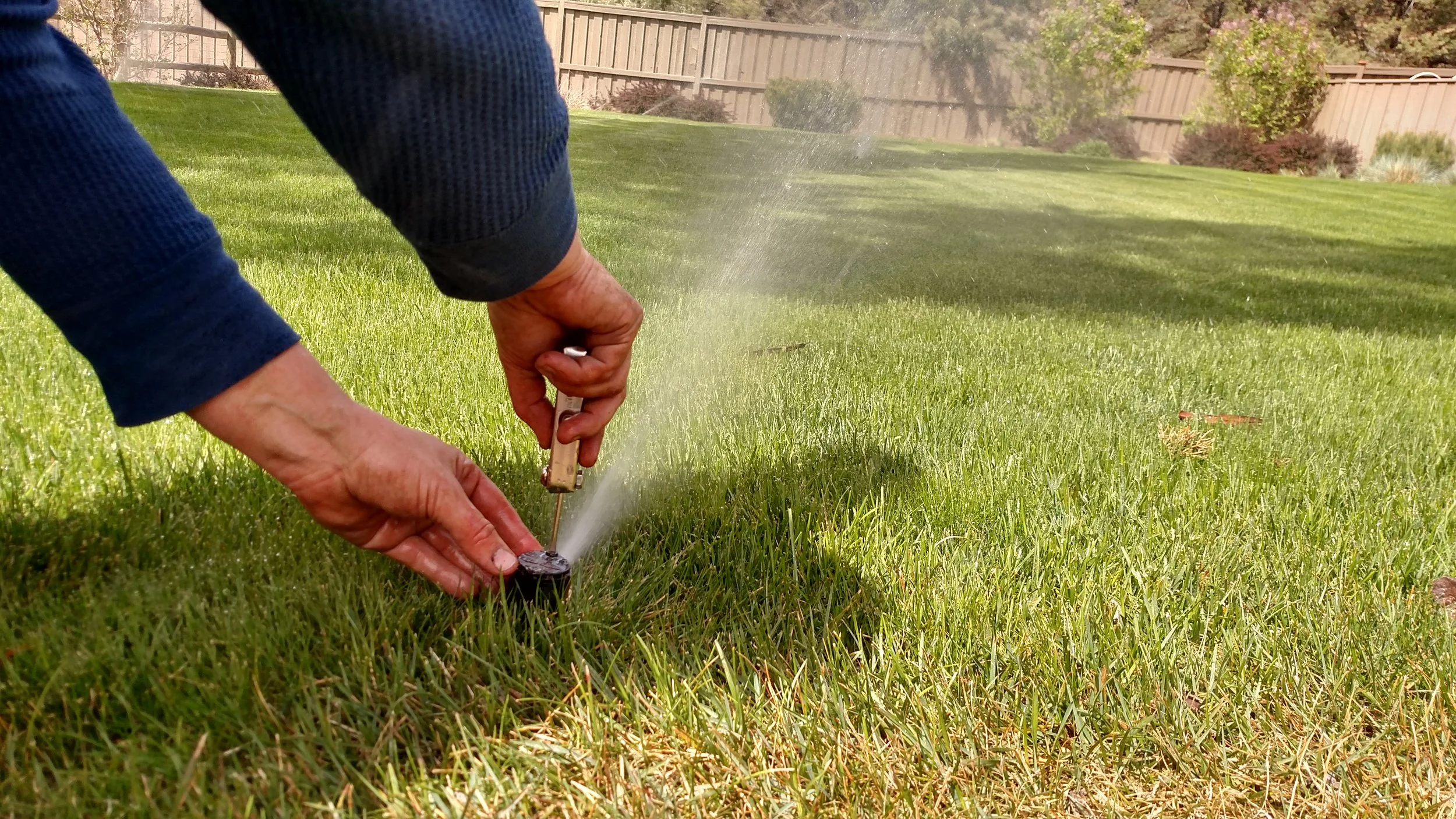
Inspect and Adjust: Check your system and adjust any sprinkler heads that are missing their target. This prevents runoff onto driveways, sidewalks, patios, or retaining walls.
Watch the Temperature: Adjust your controller to avoid watering late at night or very early in the morning when freezing temperatures are still possible. This prevents potential plant and property damage.
Dial Back the Volume: Set your controller to apply only 30-40% of peak-season needs. Plants simply don’t need as much water in the spring as they do in the heat of summer.
Time it Right: Water in the morning rather than late in the day. This allows plants to utilize the moisture during the daytime.
Shorten the Cycles: Shorter, more frequent run times are better than long, infrequent applications. This increases infiltration in dry, compacted, or sloped soils and helps prevent runoff.
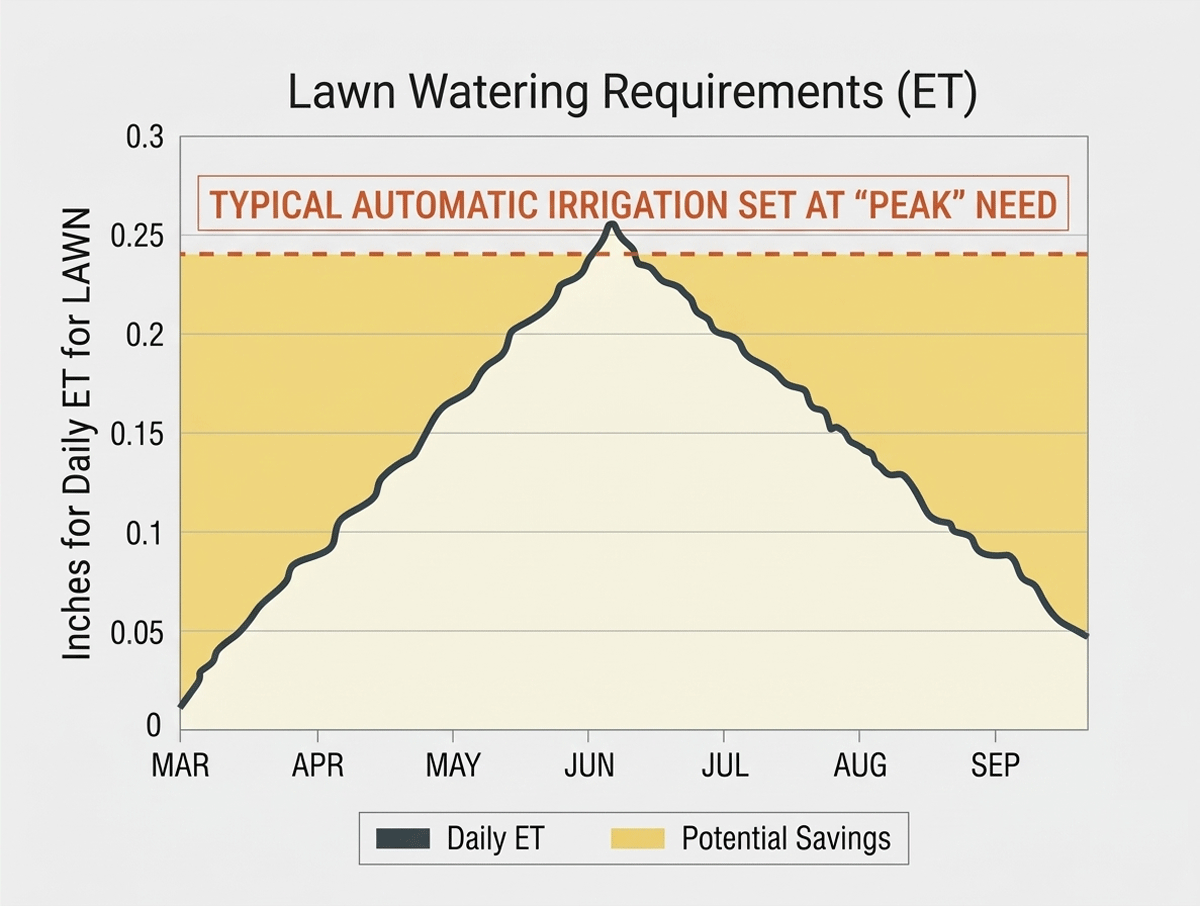
This chart shows the potential savings of landscape irrigation water that is often wasted from overwatering in the early and late season with a typical irrigation controller that is not programmed appropriately.
If you want more info on best irrigation practices or help adjusting your program, contact Water Whys Irrigation & Landscape Design today.
Changing Seasons: Happy Spring!
Hooray! Spring has finally sprung.
It’s time to cut back ornamental grasses but hold back on doing much more outside. Most pollinators are still sleeping in until days consistently reach 50 degrees or warmer and leaf litter, fallen branches, and last year’s stems and grasses provide critical habitat for native bees, wasps, moths, butterflies, and other insect species. Turn your energy towards planning your garden and landscape renovation projects for the season, feed the soil in garden plots and raised beds, or clean and organize tools and equipment. A trip to the local nursery and garden center is always a good time but try not to purchase any plants if you’re not sure where they will go. If you can’t resist the urge to buy something, a gift certificate or gift card can be a useful budgeting tool, help you save up for a project, and motivate your future self to work on your landscape goals.
Design Considerations: Irrigation Choices
"What Type of Irrigation Should I Use?" Is a Trick Question.
"What type of irrigation should I use?" It seems like a simple question, but the answer is usually more complex than homeowners expect.
As an irrigation designer, I’ll admit my excitement for the "perfect" setup isn't always shared. Most people expect a one-word answer—drip or sprays—and are instead met with a rapid-fire interrogation:
Do you have any existing irrigation? What’s your water source and psi?
How many gallons per minute are available?
Are you germinating seeds or planting starts? Full sun or shade?
What’s your soil type? Is there a slope?
I know—it’s a lot. But here’s why those questions matter:
Existing Layout Dictates the Design
If you already have a system, we might simply retrofit a zone with pressure compensation and filtration. Depending on your water source, you might need a pressure reducer, an inline pump, or specific filtration for algae and sediment. If your design calls for 20 gallons per minute but your source only provides 10, your sprinklers simply won't perform.
Plants and Lifestyle Matter
What you grow changes how you water. Germinating seeds is a struggle with drip tape but easy with sprays. Conversely, many plants hate wet foliage, making soil-surface drip irrigation the more efficient, healthier choice. Even your lifestyle plays a role—wanting to monitor your garden from a smartphone while on vacation requires a completely different setup than a manual hose-and-faucet approach.
The Land Itself
Soil intake rates and slope are the difference between a thriving garden and wasteful runoff or erosion. Even sun exposure matters; full-sun areas often require tighter emitter spacing than shadier spots on the same property.
The Bottom Line
Every site is a unique puzzle of water sources, soil, and plants. While your neighbor’s setup is a great starting point, remember that even slight differences in pressure or slope can be the difference between a functional system and a failing one. Before you dig, make sure you're answering the right questions.
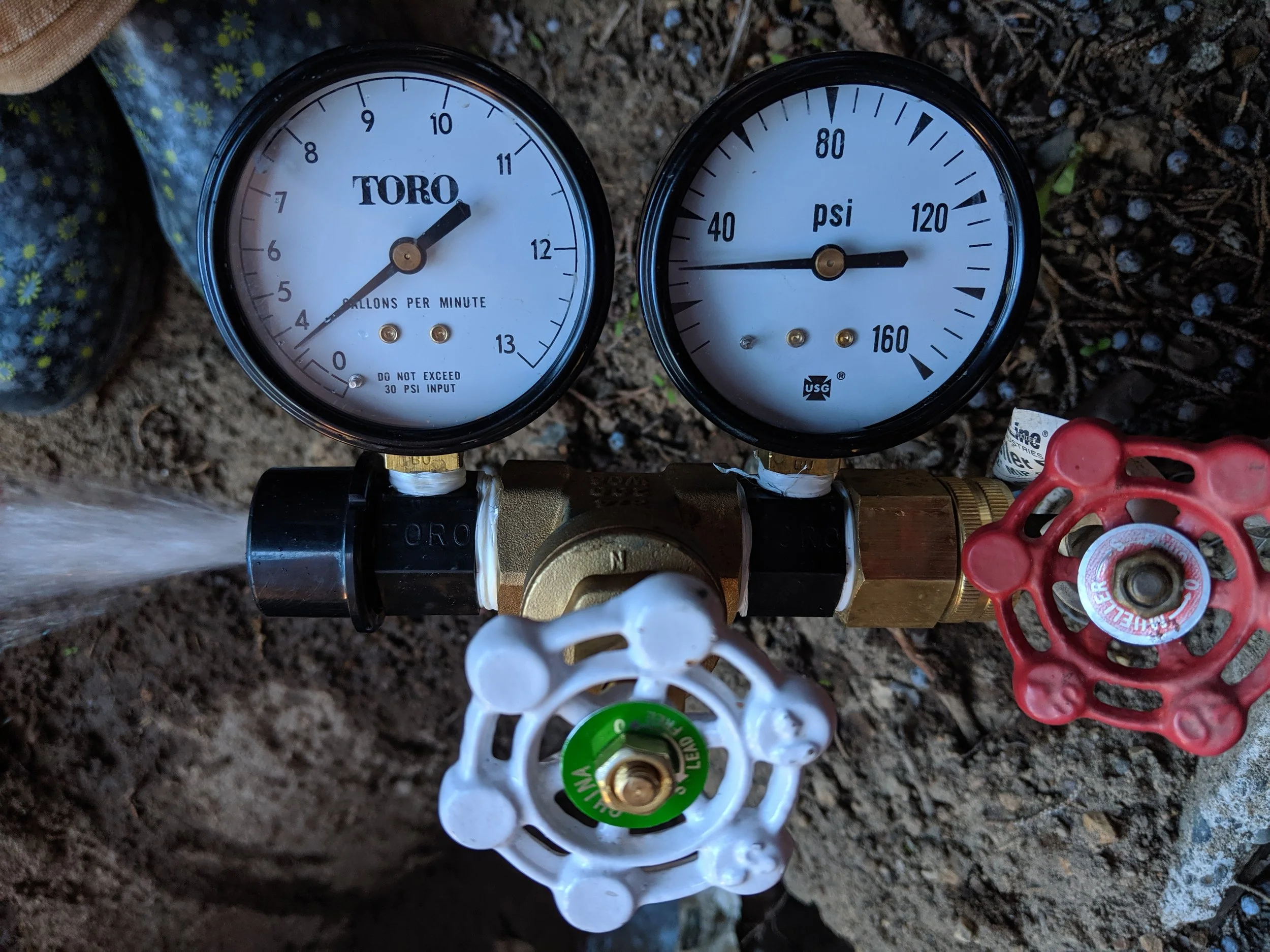
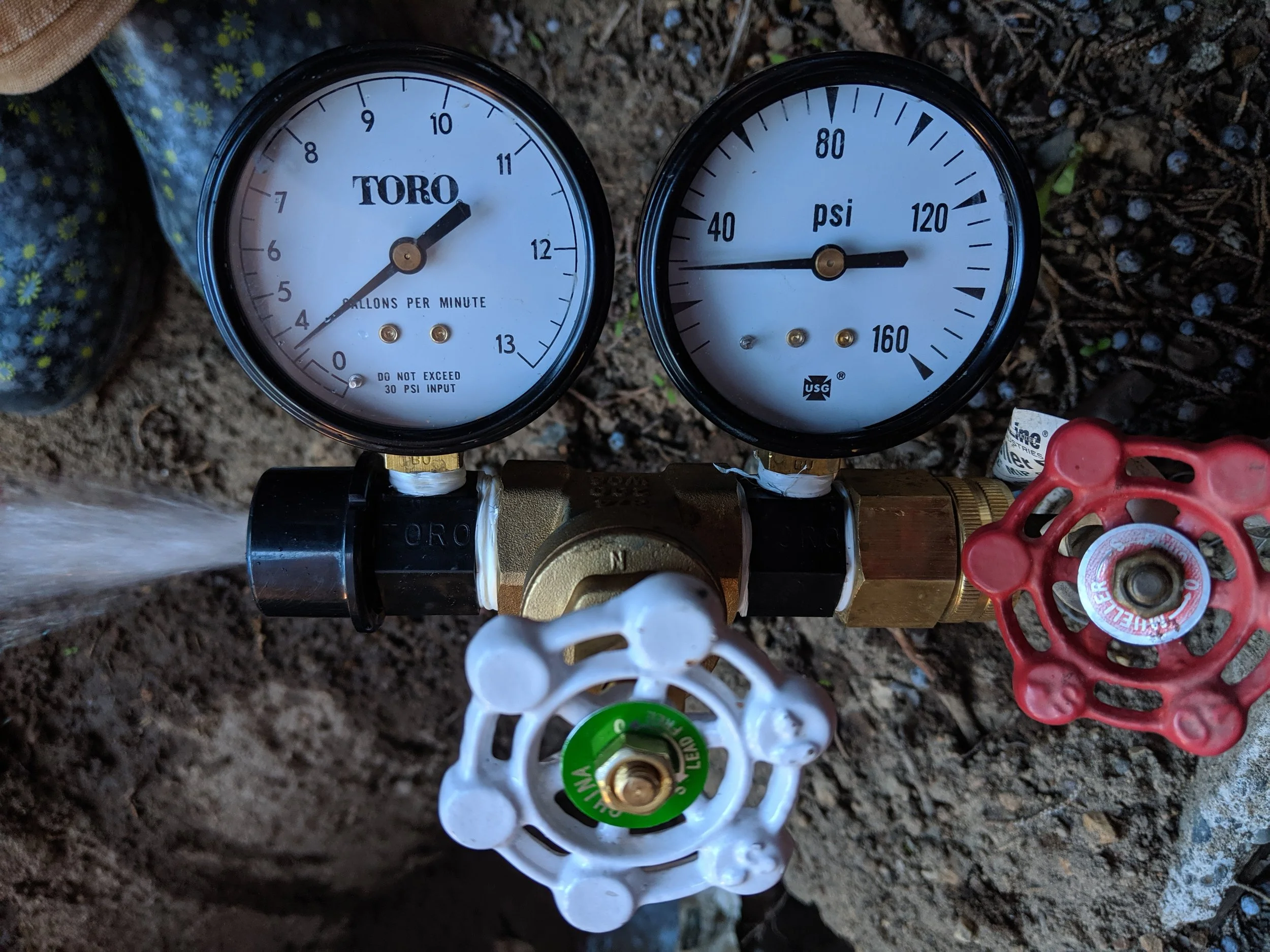
The go-to tool for determining design capacity and troubleshooting irrigation systems, a psi/flow gauge.
Pasque Times: A Monthly Portrait of Black Hills Flora
In the Black Hills, "tough" isn't just a trait—it’s a survival requirement. Between our blistering summer droughts and bone-chilling winter winds, our landscapes take a beating. If you’re looking for a plant that doesn’t just survive these extremes but actually thrives in them, look no further than Juniperus communis, the common juniper.
The King of Drought Tolerance
While lush, thirsty ornamentals struggle the moment the rain stops, the common juniper is just getting started. This native shrub is built for the semi-arid climate of Western South Dakota. Once its deep root system is established, it requires zero supplemental watering, even in the heat of July. By choosing this juniper over non-native evergreens, you aren't just saving money on your water bill—you’re practicing responsible land stewardship in a region where water is a precious resource.
Built for "Lesser" Soils
We’ve all seen it: that rocky, thin soil on a limestone slope where nothing seems to grow. That is the common juniper’s happy place. It doesn't need fertilizer or rich potting soil. In fact, it prefers the lean, well-drained ground that characterizes much of the Black Hills. It’s the perfect solution for erosion control on steep banks or filling in "dead zones" where other shrubs wither.
An Environmentally Wise Choice
Choosing native plants like the common juniper is one of the most impactful things a homeowner can do for the local ecosystem.
Chemical-Free Success: Because it has evolved alongside local pests and diseases, it rarely needs the pesticides or fungicides that non-native species require.
A Year-Round Sanctuary: While deciduous shrubs leave the landscape bare in winter, the juniper’s dense, evergreen foliage provides critical thermal cover for songbirds and small mammals during our sub-zero stretches.
Pollinator & Bird Support: Its waxy blue cones (the "berries") are a high-energy winter food source for everything from Cedar Waxwings to Wild Turkeys.
Beauty Without the Work
Modern landscaping is moving away from high-maintenance "lawn-centric" designs toward xeriscaping—and the common juniper is the MVP of this movement. Its low-growing, spreading habit creates a natural evergreen carpet that suppresses weeds and looks beautiful year-round with literally no pruning required.
In a world of finicky plants, Juniperus communis is a breath of fresh air. It’s hardy, it’s beautiful, and it’s the most environmentally responsible way to bring the spirit of the Black Hills into your own yard.
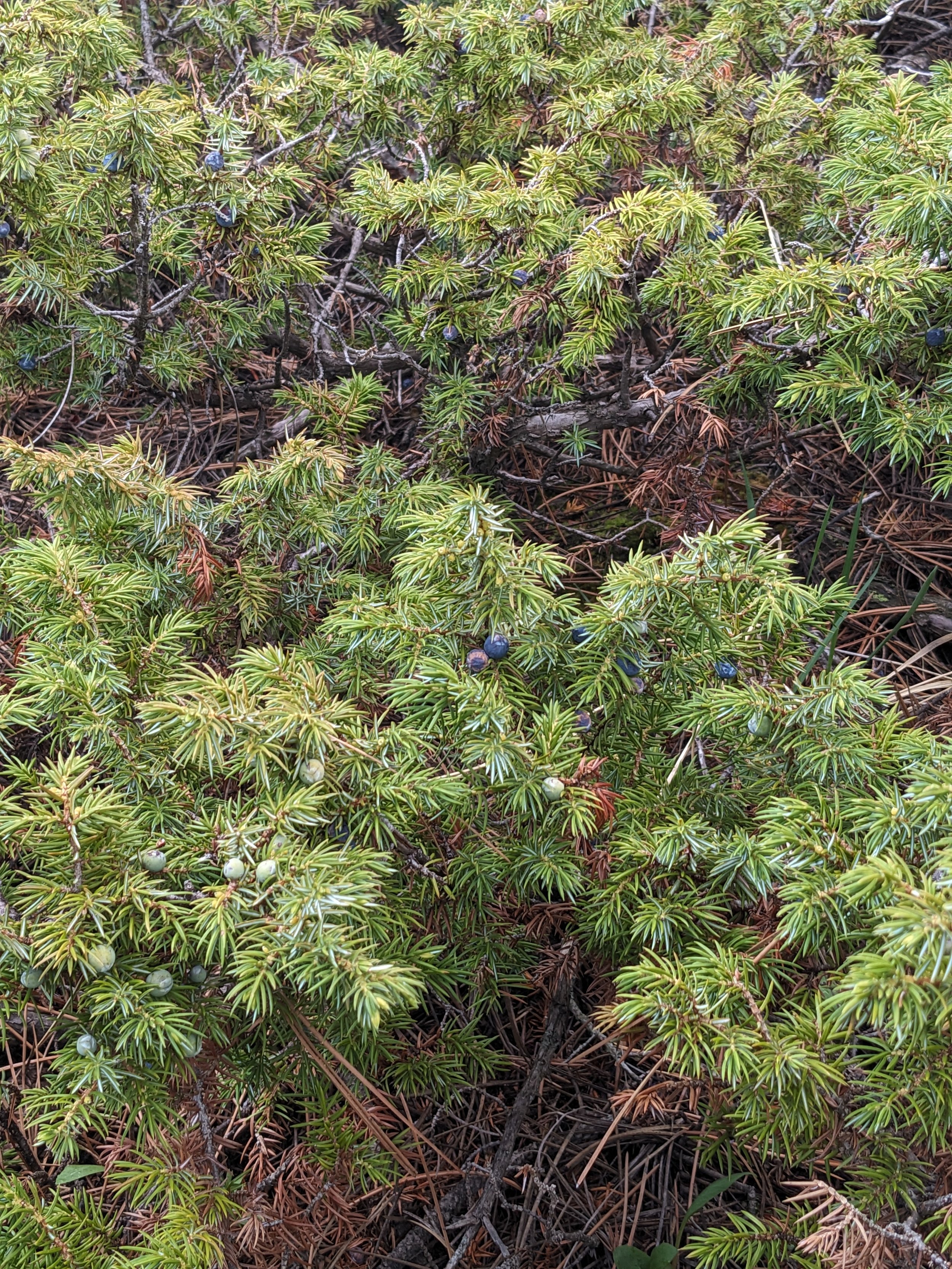
Common juniper (Juniperus communis) during the month of May in The Black Hills.
Landscape Tips: DIY Landscapes
YouTube is great for learning the basics, but it can’t account for the unique DNA of your yard. Every site has its own challenges and microclimates. Before you pick up a shovel, follow these five best practices for a successful DIY landscape.
1. Know Your Site (The One-Year Rule)
The most important step is patience. Spend a full year experiencing your property through every season. You need to know how that west-facing patio feels in July and where stormwater pools during a spring thaw. Observing your site for 12 months ensures your design solves real-world problems.
2. Create a Master Plan
A cohesive landscape doesn’t happen by accident, especially if you’re installing in phases. A master plan ensures every addition feels unified. Plus, it allows you to quantify materials accurately, preventing the "oops" moment when a specific stone or plant variety is discontinued halfway through your project.
3. Design for Future Infrastructure
Dream big, even if you’re starting small. If you want a greenhouse or water feature down the road, map it out now. Installing conduit for electrical and irrigation lines early saves you from tearing up your hard work later. Always weigh your "big dreams" against the long-term maintenance they require.
4. Capture Year-Round Interest
Great landscapes aren't just for summer. Design for the "bones" of the garden—using boulders, soil berms, and sculptures to provide visual interest during the winter months. A mix of deciduous trees and evergreen structures keeps your yard eye-catching 365 days a year.
5. Prioritize Conservation
A beautiful yard shouldn’t be a resource drain. Reduce your footprint (and your bills) by:
Improving soil water retention.
Replacing traditional turf with lawn alternatives.
Selecting low-water, native plants.
Minimizing the need for gas-powered maintenance.
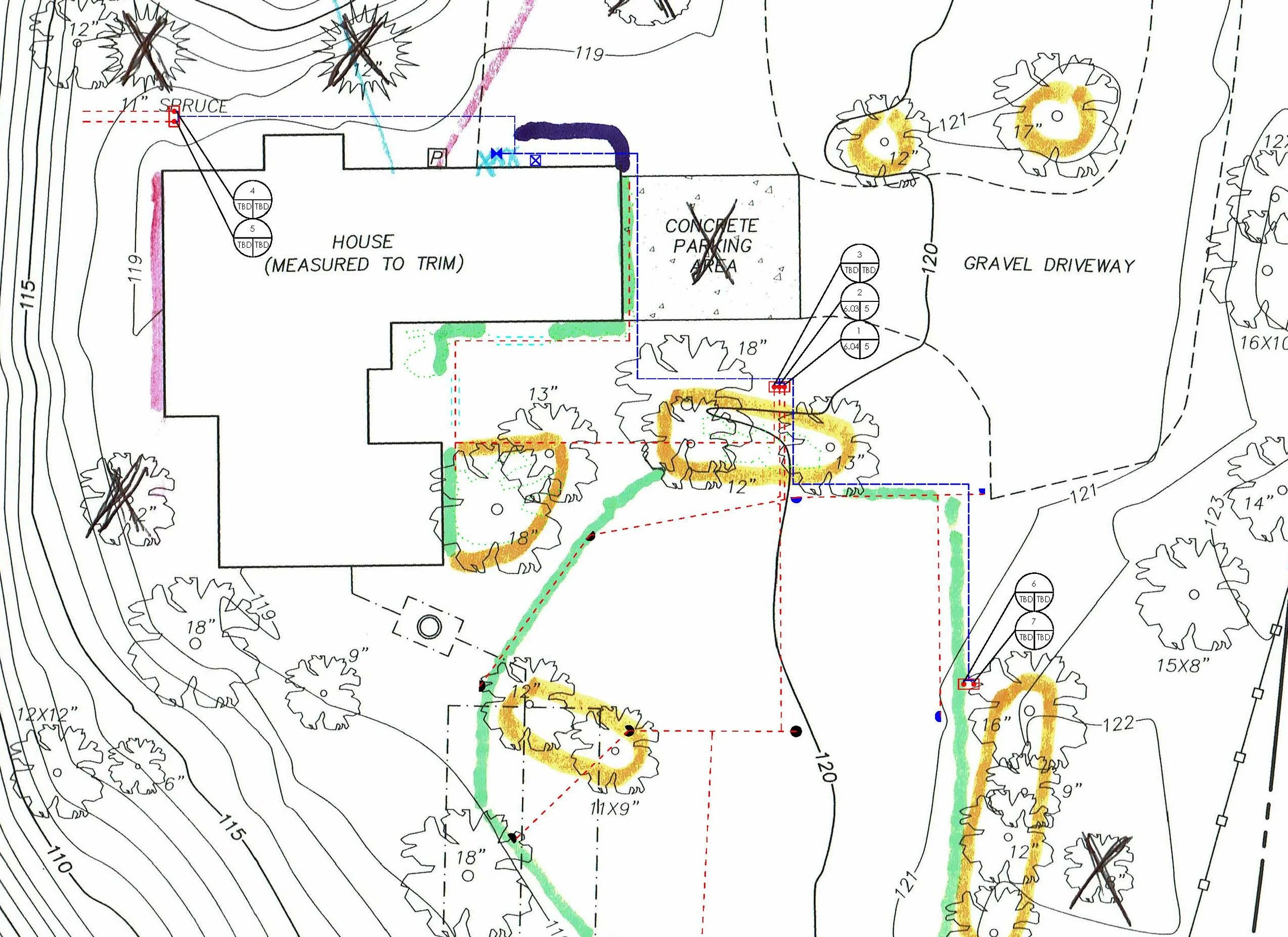
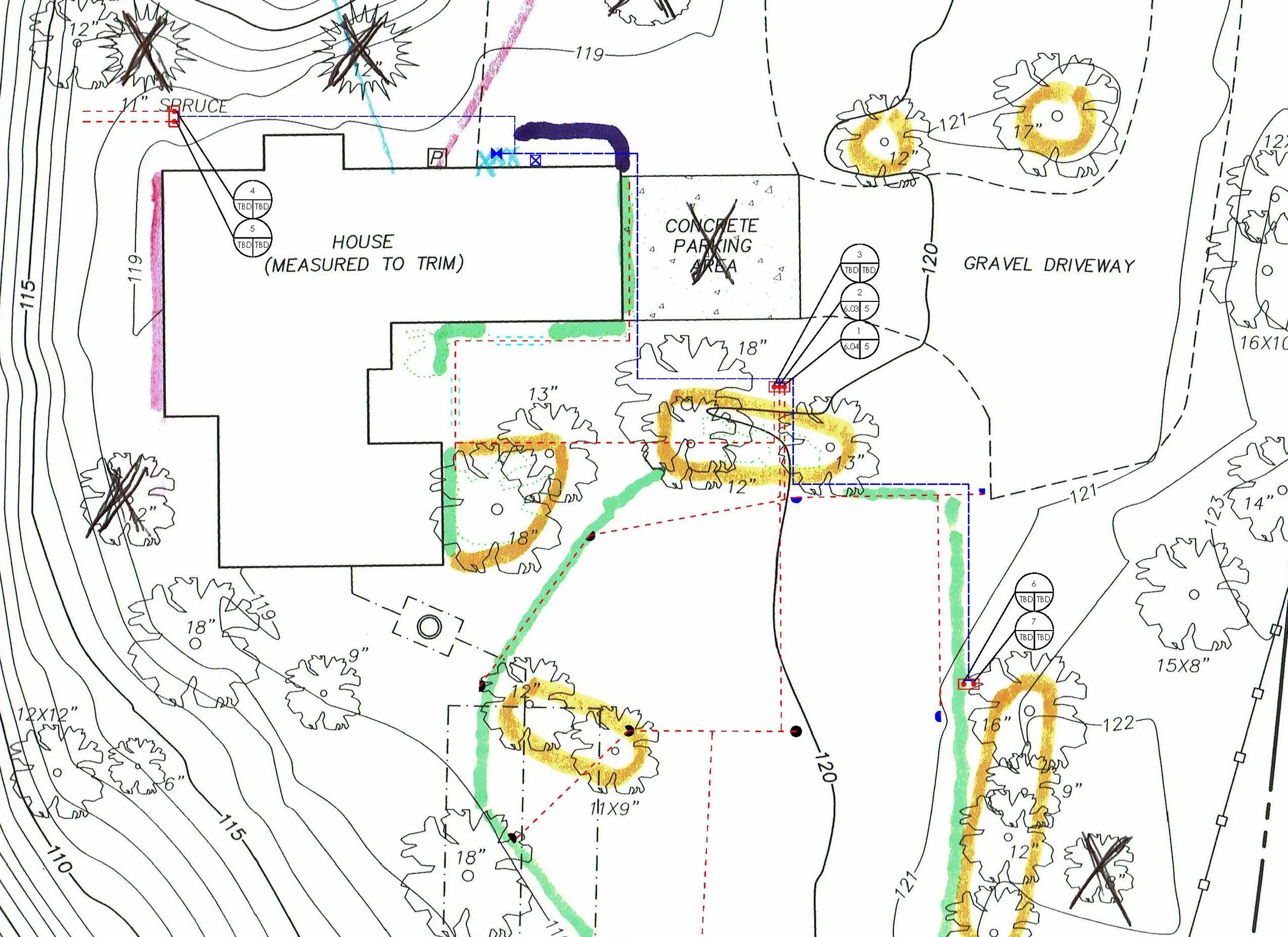
A site plan is a great place to start keeping notes regarding the conditions and properties of the landscape.
Water Drops: News and Updates
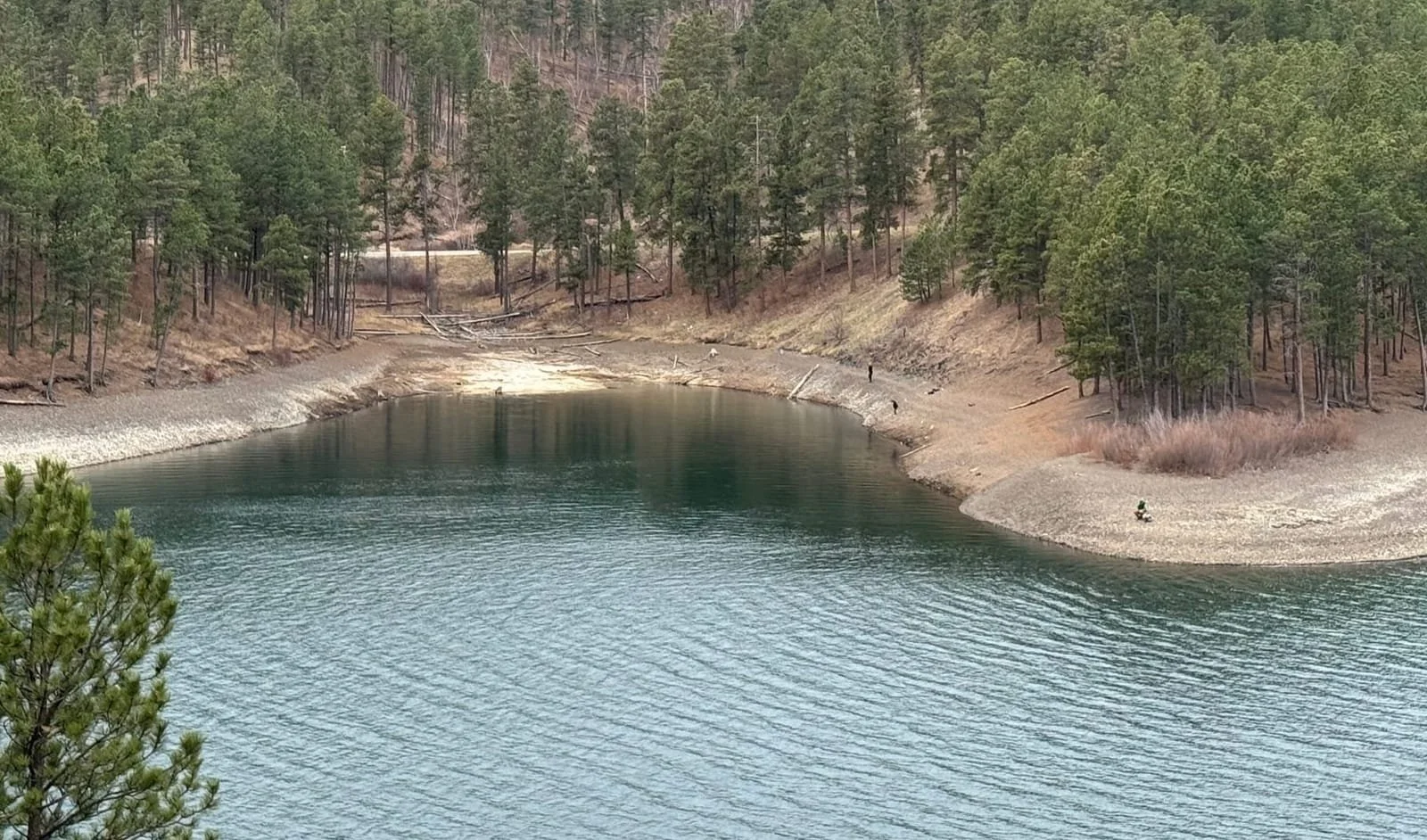
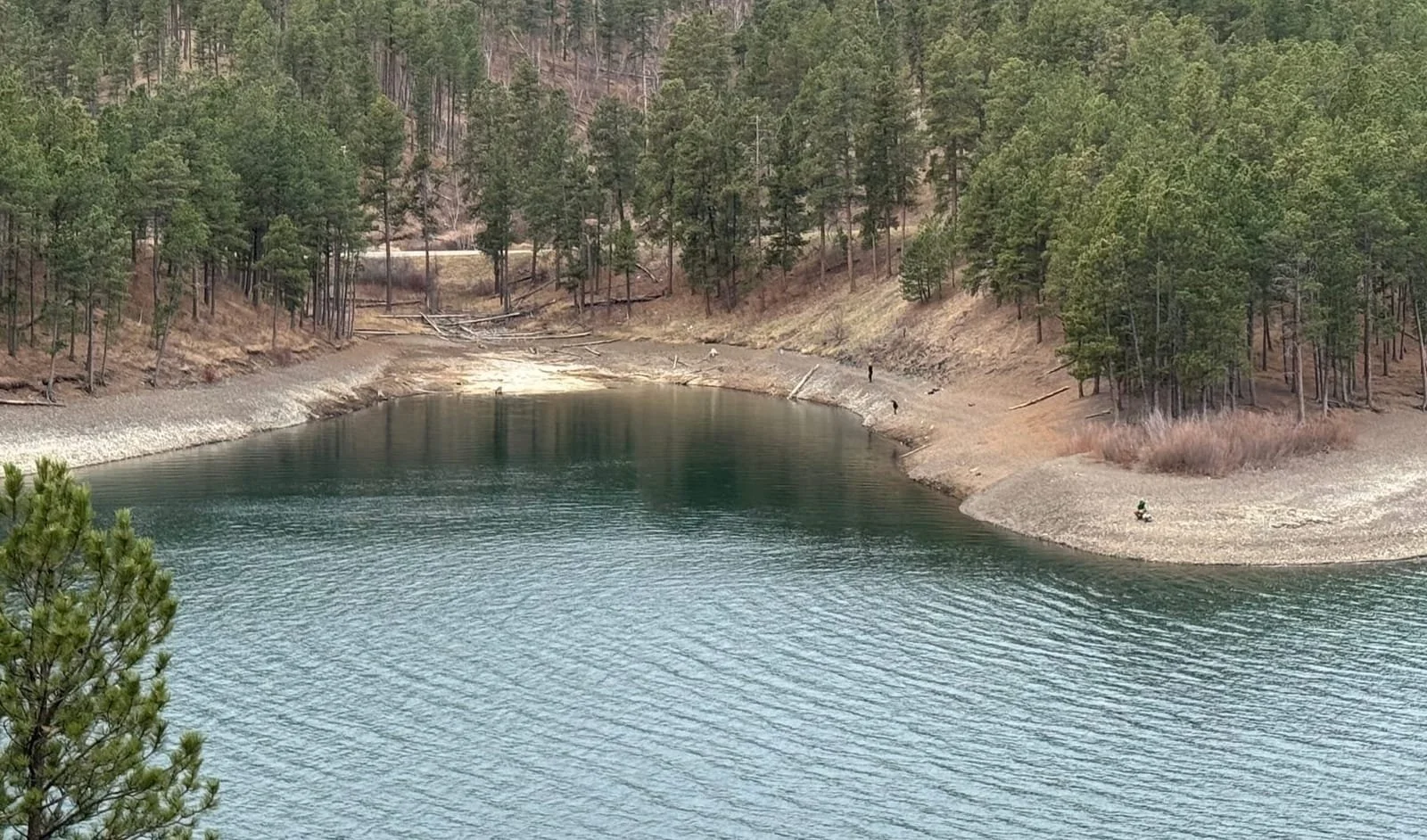
Water levels in Pactola Reservoir, S.D., in the Black Hills of South Dakota -- a main source of drinking water for the Rapid City region -- were far lower than normal on April 21, 2025. (Bart Pfankuch / South Dakota News Watch)
Black Hills water supplies are not meeting demand, a study says, as reported by South Dakota News Watch on August 11, 2025.
As the article describes, lingering drought conditions and low inflow levels are contributing to a water shortage in the region. While this news is not current per se, it is clear that this winter has been another dry one, leading to the logical assumption that these drought conditions are persisting. A pattern appears to be developing regarding seasonal precipitation: every winter is “another dry one” with below-normal snowfall and warmer-than-usual temperatures. The "fuel tank" for our landscapes is no longer being recharged annually as it has been in the past, yet we continue to move forward without curb usage or consideration for our consumption.
Water purveyors have implemented water-use restrictions that are often vague and non-quantitative, mostly limiting the days and hours for sprinklers and irrigation systems. These types of restrictions can feel arbitrary and fail to address the core issues of landscape water waste. True conservation should begin at installation; irrigation systems must be designed and installed correctly to be efficient and apply water as intended. Furthermore, landscapes should be designed to utilize stormwater resources, significantly limiting the need for supplemental irrigation.
Do you want to conserve water in your landscape?
Contact us today to schedule a consultation and explore the conservation opportunities your property has to offer.
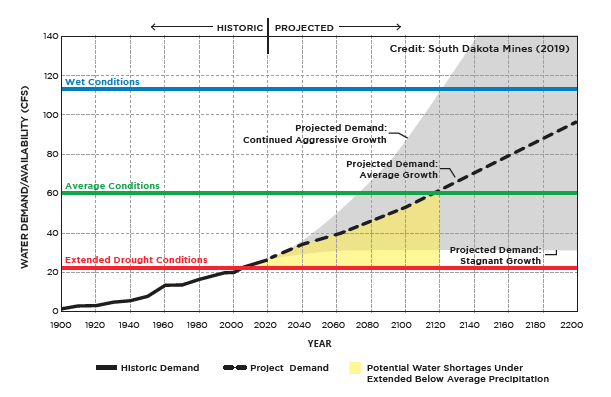
The growing gap of water demand and availabilty in The Black Hills.
We often hear about "water restrictions," but this chart shows the why behind them. With aggressive growth in the Black Hills, our "fuel tank" is being drained faster than it can recharge. Notice the yellow area? That represents the water shortages we face if we don't change how we consume. It’s time to move beyond vague restrictions and toward intentional, water-smart landscape design.
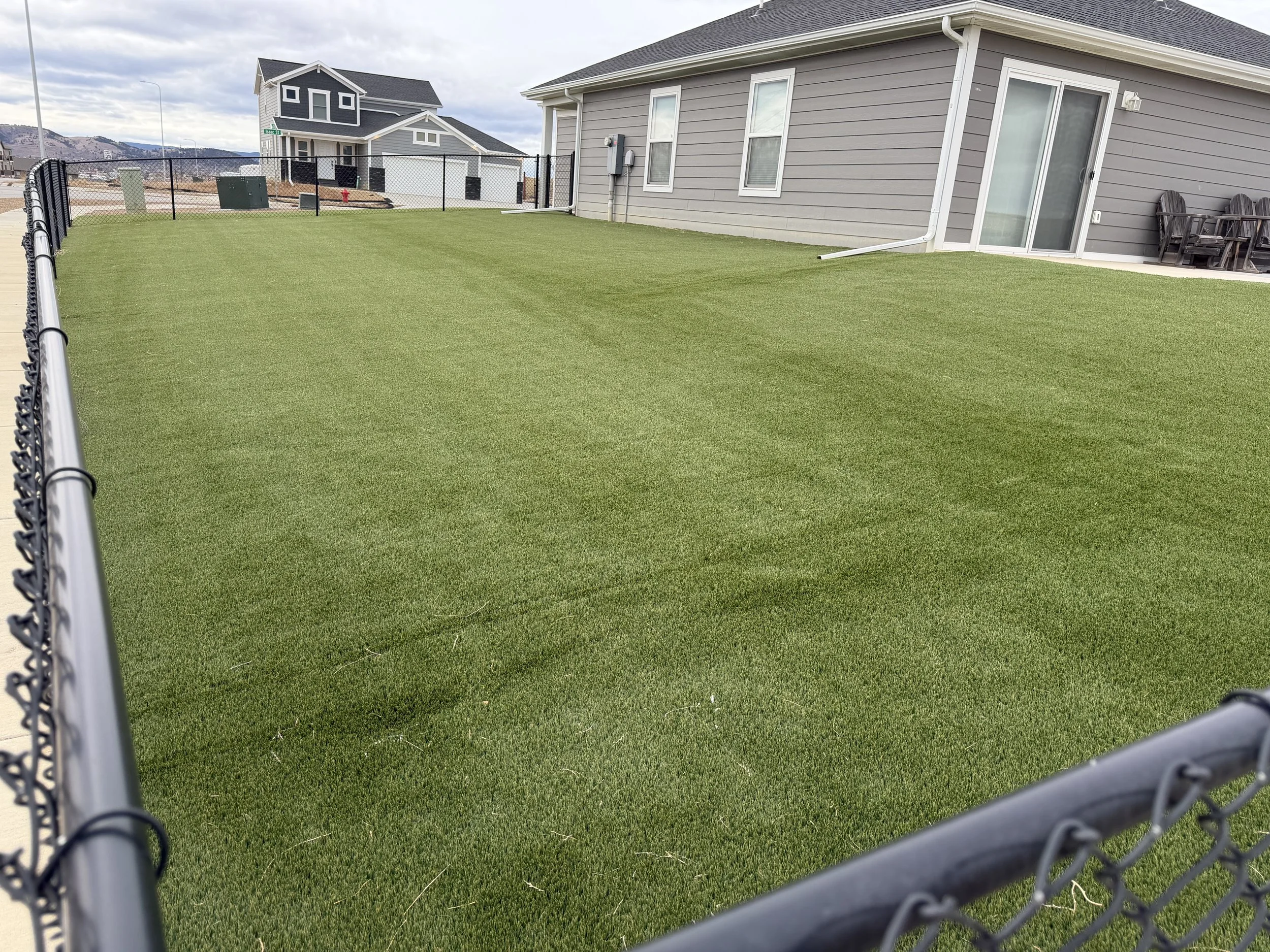
Design Considerations: Synthetic Turf
The Hidden Costs of "Forever Green": Is Artificial Turf Actually Sustainable?
According to recent industry data, the artificial turf market is projected to surge from $7.31B in 2025 to over $16.51B by 2035. Driven by a surge in sports facility development and a residential desire for a "perfect" aesthetic, synthetic grass is often marketed as the ultimate eco-friendly solution to mowing and watering.
At a glance, the argument is compelling: no water, no fuel-burning mowers, and a green lawn year-round. However, before you replace your living soil with a layer of plastic, there are several critical factors to consider.
1. The Maintenance Myth
While you may save time on mowing, synthetic turf is far from maintenance-free. Without regular rain, these plastic fibers capture dust and pollen, quickly appearing dingy.
Water Usage: Ironically, many installations require an irrigation system just to rinse the turf. This is a necessity for pet owners, as urine and debris require specialized infills and frequent washing to manage odors.
The Heat Factor: Synthetic turf can become dangerously hot—often reaching temperatures that can burn paws or melt under reflected sunlight. Without consistent shade, it is rarely a safe surface for pets or children during the summer months.
2. The Plastic Problem
There is a profound irony in laying a sheet of petroleum-based plastic over the Earth in the name of "sustainability."
The synthetic fibers, backings, and rubber infills often contain toxic chemicals that pose risks to human health. Over time, UV radiation and physical wear break these materials down into microplastics. These particles eventually migrate into our soil, waterways, and oceans, entering the food chain and impacting marine life and human health alike.
Furthermore, synthetic sports fields have been linked to increased health risks for athletes, including:
Inhalation of asthma-triggering chemicals.
Increased frequency of skin burns and heat-related illnesses.
Higher incidences of MRSA (methicillin-resistant Staphylococcus aureus) due to the non-breathable surface.
3. Life Cycle and Environmental Impact
Even high-quality turf has a limited lifespan—typically 10 to 20 years. To keep it looking like real grass, the blades must be periodically raked and replenished with infill.
While some manufacturers claim their products are recyclable, the reality is that the vast majority of spent turf ends up in landfills. Because it is not biodegradable, every square foot of artificial lawn installed today will remain on the planet for centuries.
4. The Death of the Soil
Perhaps the most detrimental impact of artificial turf is what happens beneath the surface. A synthetic lawn effectively suffocates the living soil biome.
Sterilization: The extreme heat generated by the plastic "bakes" the soil, killing beneficial bacteria and fungi.
Compaction: The installation process requires heavy compaction, resulting in inactive, unhealthy soil that can no longer support life or properly filter rainwater.
Choosing a Truly Green Alternative
If you are looking to reduce your environmental footprint, artificial turf may not be the answer. Fortunately, there are better ways to achieve a low-maintenance, beautiful landscape without sacrificing the health of our planet:
Drought-Tolerant Turf: Explore low-water grass varieties specifically bred for your climate.
Native Landscaping: Utilize native plants that thrive naturally with minimal intervention.
Xeriscaping: Creative hardscaping and mulch-based designs that offer beauty without the water bill.
Every site and end-user is unique. While high-quality synthetic turf now offers realistic aesthetics—featuring varied shades, blade thicknesses, and integrated thatch layers—it is only an ideal solution if it aligns with the project’s objectives, site conditions, and budget. Ultimate success of any project depends on proper installation and maintenance. To ensure a sound investment, it is essential to weigh the total lifecycle costs against alternative options before finalizing a decision.
Ready to transform your space?
Contact us today to schedule a consultation.

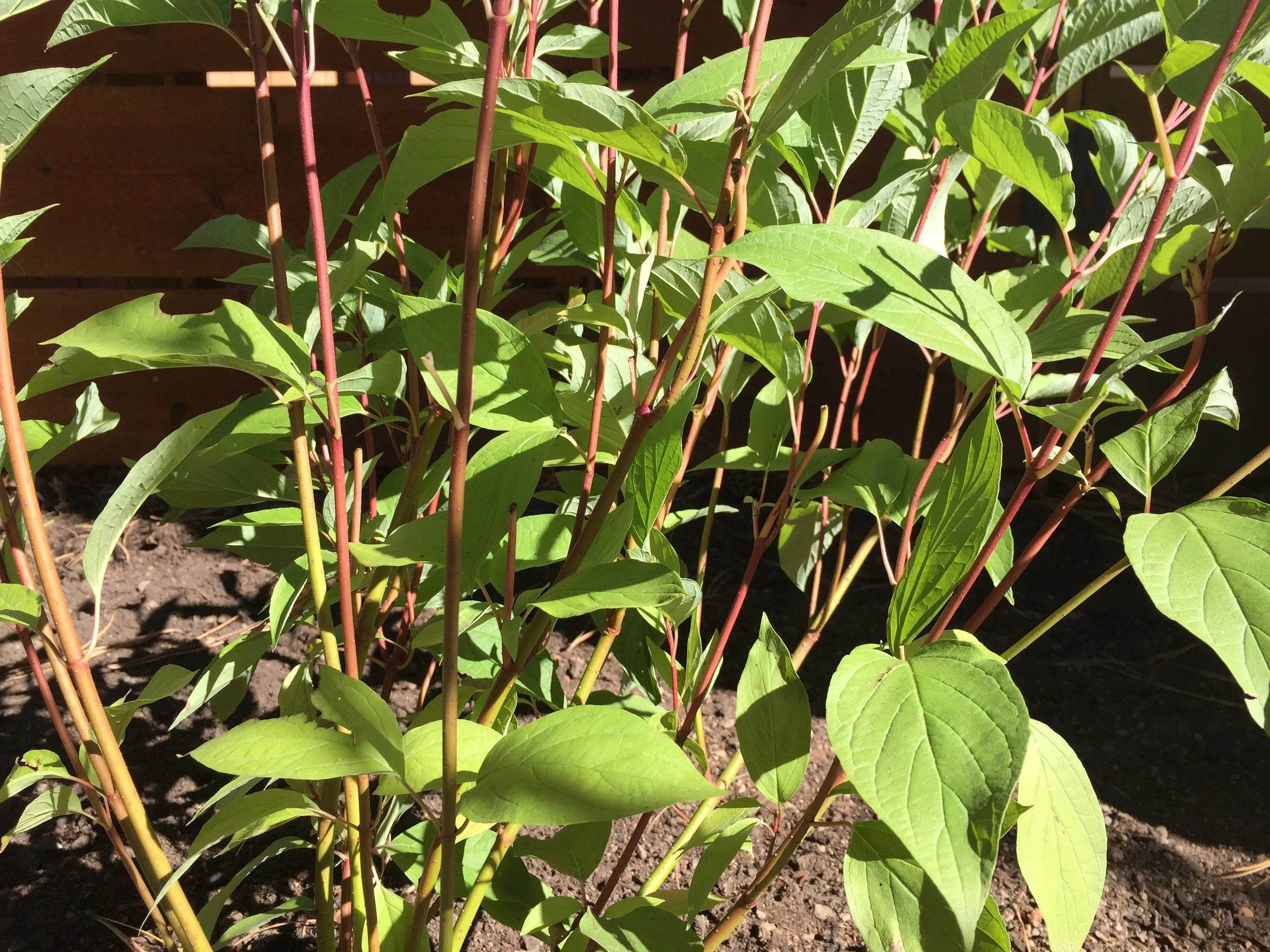
Pasque Time: A Monthly Portrait of Black Hills Flora
Red-osier dogwood (Cornus sericea) is a powerhouse native shrub that brings as much function as it does flair to a landscape. Often called red-twig dogwood, this resilient plant is a top pick for gardeners looking to support local ecosystems while maintaining year-round visual appeal.
Why You Should Plant Red-osier Dogwood
Stunning Winter Interest: Its most famous feature is its vibrant red stems, which provide a striking contrast against white snow. For the brightest color, perform "renewal pruning" by cutting back the oldest third of the stems every few years to encourage fresh, vividly colored new growth.
Wildlife Superfood: This shrub is a biodiversity magnet, providing food and shelter for nearly 100 species of birds, including bluebirds and robins. It also serves as a host plant for the Spring Azure butterfly and supports over 120 caterpillar species.
Natural Erosion Control: With a dense, fibrous root system, Cornus sericea is a "restoration superstar". It is widely used to stabilize streambanks, prevent soil runoff, and manage stormwater in rain gardens.
Adaptable and Low Maintenance: While it thrives in wet, swampy areas where other plants might struggle, it is remarkably adaptable to various soil types and light conditions, from full sun to partial shade.
Deep Cultural Roots: Beyond its ecological roles, Indigenous communities have long valued the plant for its medicinal properties and its flexible branches, which are used for traditional basket weaving and ceremonies.
Quick Planting Facts
Mature Size: 6–10 feet tall and wide
Best Light: Full sun for the brightest stem color
Hardiness: Extremely cold-tolerant (USDA Zones 2–7)
Growth Rate: Rapid; spreads by suckers to form thickets
Whether you're looking to stop erosion on a slope or simply want a pop of color in the dead of winter, the red-osier dogwood is a versatile partner for any landscape.
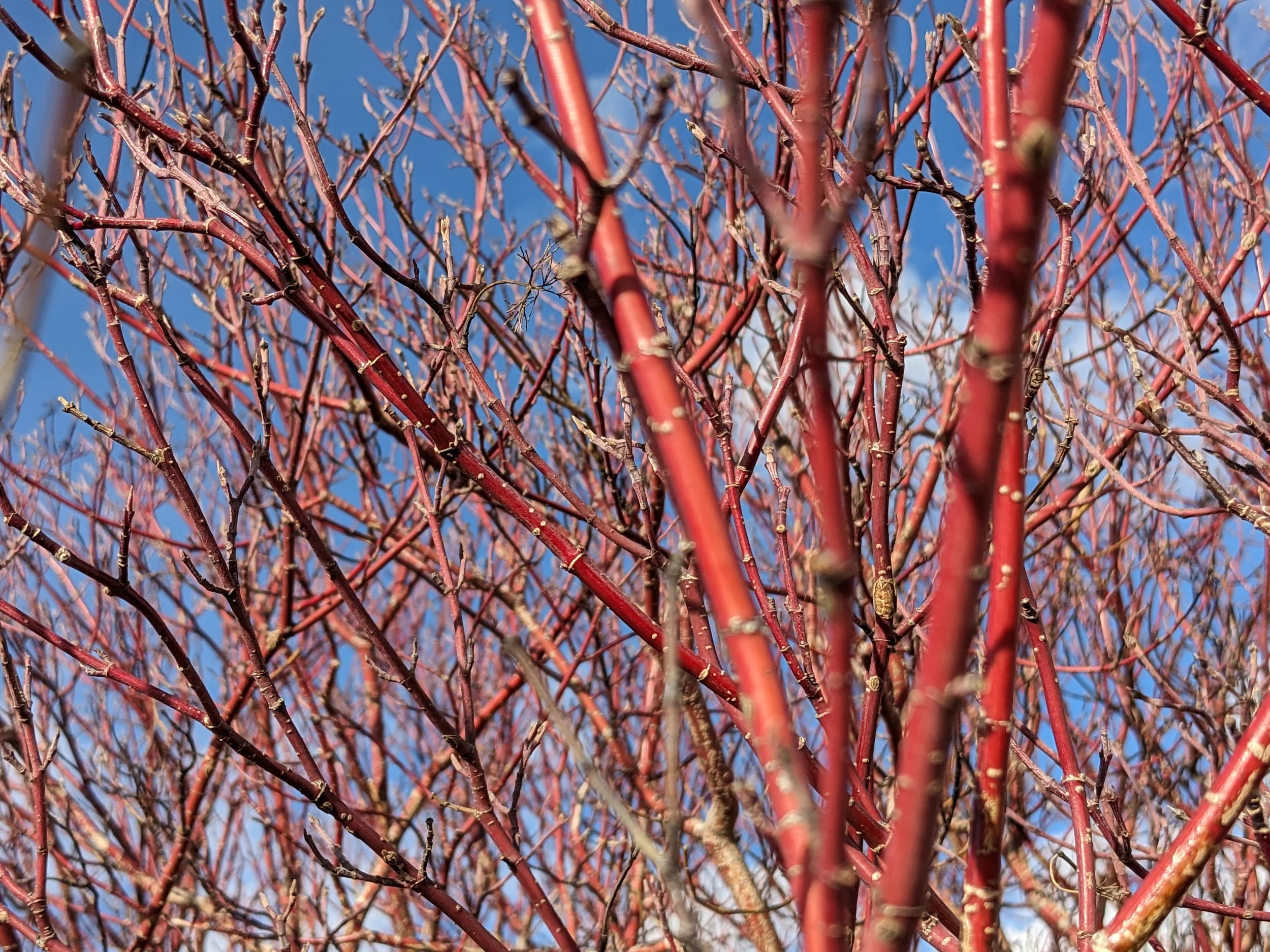
Cornus sericea, red-osier (aka red-twig) dogwood. Why the red? That brilliant crimson isn't just for show! It’s caused by anthocyanins—the same pigments that turn autumn leaves red. According to the USDA Plant Guide, these pigments act as a "botanical sunscreen," protecting the plant's delicate tissues from the harsh, high-altitude sun during the cold Black Hills winters.
Landscape Tips: How to Help Save Trees During a Dry Winter
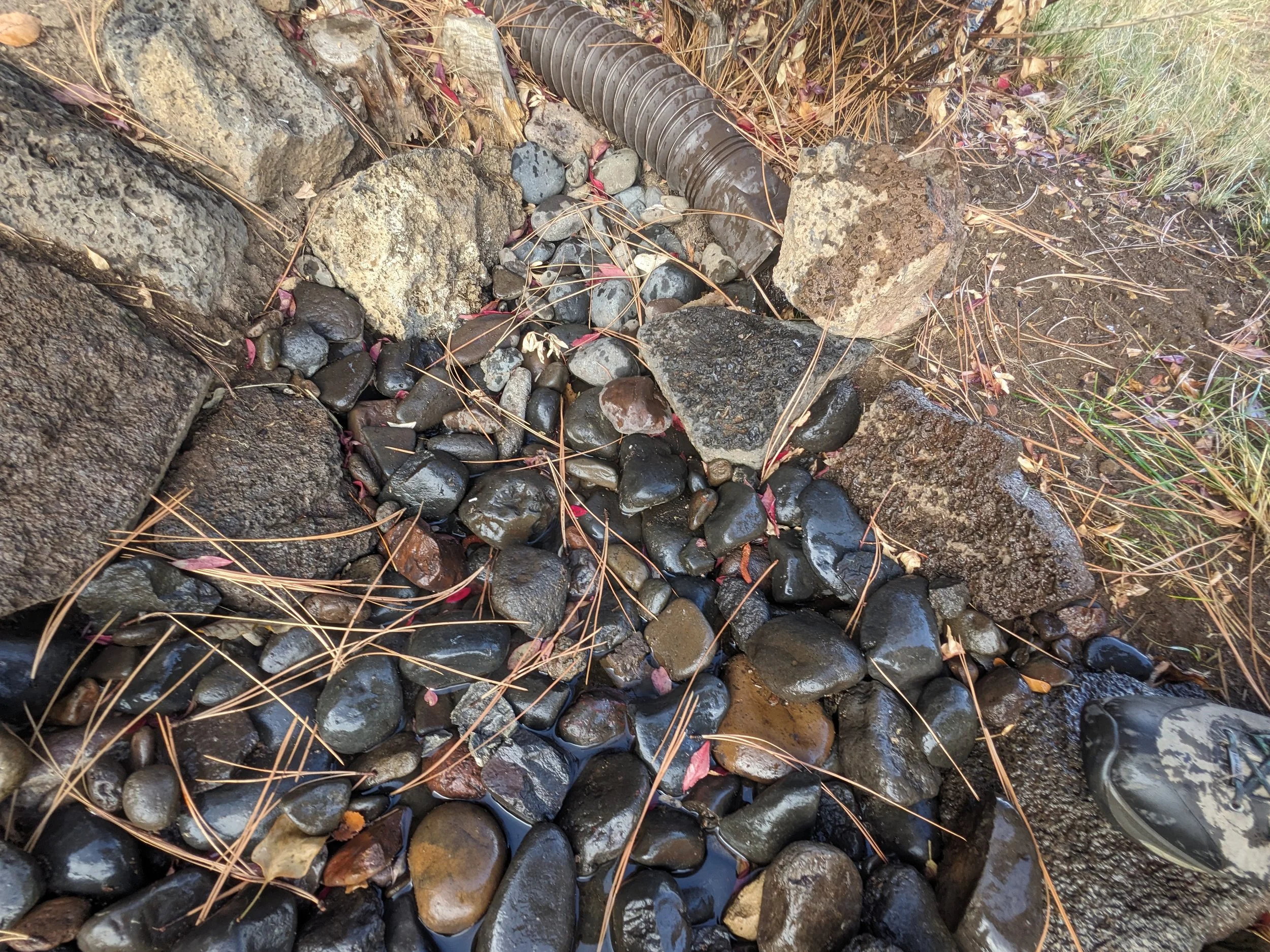
A downspout adapter is directed towards a swale filled with drain rock designed to detain the storm water on site. Benefits of storm water detention include erosion control and providing irrigation to landscapes during winter months.
How to Save Trees During a Dry Winter | Landscape Tips
Another dry winter is here, and for newly planted trees, it can be a season of struggle rather than a rest. Without snow to act as an insulator and retain moisture, soil moisture levels can plummet. Contrary to popular belief, trees still need water in the winter. While they consume less than they do during the growing season, a minimal amount of water is vital for survival - especially for conifers and other trees during their first three years of establishment.
Since most irrigation systems are winterized and turned off, supplemental water means dragging a hose across a frozen yard. If you want to make winter watering easier and more effective, consider these professional landscape strategies:
Strategic Placement: Before planting, evaluate your land’s topography. Identify natural low points where moisture collects or areas prone to extreme dryness. Positioning trees where they naturally receive storm water runoff can significantly reduce the need for manual watering.
Passive Rain Harvesting: Consider altering your landscape to direct runoff toward your trees. This can be done discreetly with underground piping connected to downspouts, or aesthetically through swales and dry stream beds. This approach provides off-season hydration while preventing negative drainage issues near your foundation.
Dedicated Irrigation Zones: If you are installing a new system, place trees on their own irrigation zone. Trees have different water needs than turf or shrubs. Improper watering during the establishment phase leads to shallow roots, making trees more susceptible to disease, wind damage, and death.
Winter-Ready Irrigation Design: For a truly proactive approach, design your irrigation tree zone with winter use in mind. By utilizing these design elements, you can measure the amount of water your trees receive and avoid over watering that can easily kill trees during the dormant season. Creative design solutions include:
Quick coupler valve with check valves for temporary connections
Root watering systems and bubblers that deliver water directly to the root zone
Auto-drains and flush valves that allow pipes to empty after use, preventing freeze damage
If you’d like to further explore any of these ideas or possible other options and see how they could benefit your project, contact us today.
Welcome (back) to the Water Whys Blog
Welcome to the new Blog!
We’re excited to be back in the swing of things after some time away. We have big plans for the upcoming season and will be posting here regularly. Follow our blog to learn more about landscape, irrigation, native plants, stay up to date with industry news, and discover interesting landscape facts. Find us on social media and let the algorithms know that you want more landscape content in your feeds.