Why? The Blog
Landscape Tips: Time to Turn on Your Irrigation System
With the weather warming up and continued drought, gardeners and landscape enthusiasts are eager to activate their irrigation systems. After an especially dry winter, landscapes are thirsty and ready for a drink.
However, it is important to remember that early-season watering needs differ from those in mid or late summer. Adjusting your irrigation controller now is critical to avoid overwatering, which can harm soil and plant health, waste water, and spike your utility bill.
Here are a few tips for early-season irrigation:
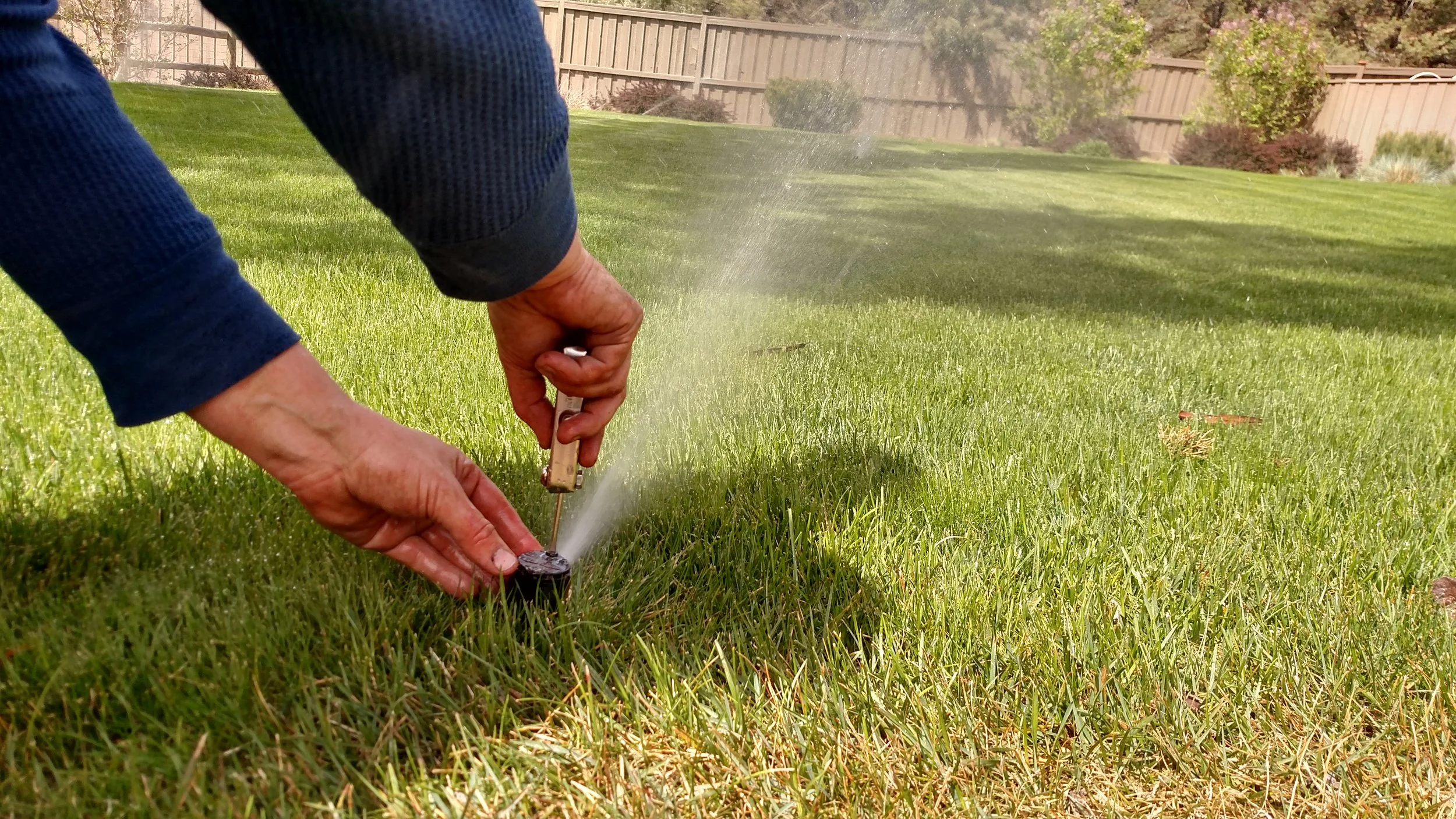
Inspect and Adjust: Check your system and adjust any sprinkler heads that are missing their target. This prevents runoff onto driveways, sidewalks, patios, or retaining walls.
Watch the Temperature: Adjust your controller to avoid watering late at night or very early in the morning when freezing temperatures are still possible. This prevents potential plant and property damage.
Dial Back the Volume: Set your controller to apply only 30-40% of peak-season needs. Plants simply don’t need as much water in the spring as they do in the heat of summer.
Time it Right: Water in the morning rather than late in the day. This allows plants to utilize the moisture during the daytime.
Shorten the Cycles: Shorter, more frequent run times are better than long, infrequent applications. This increases infiltration in dry, compacted, or sloped soils and helps prevent runoff.
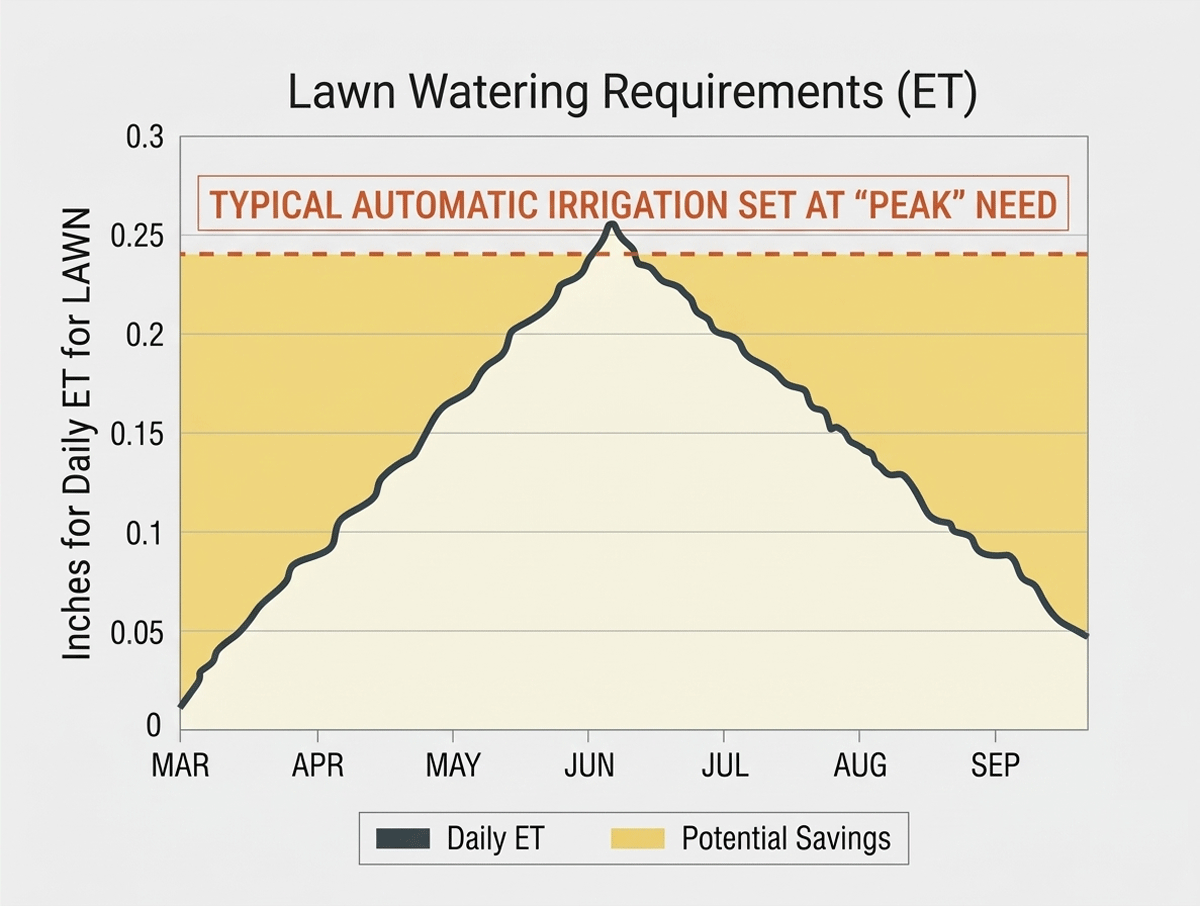
This chart shows the potential savings of landscape irrigation water that is often wasted from overwatering in the early and late season with a typical irrigation controller that is not programmed appropriately.
If you want more info on best irrigation practices or help adjusting your program, contact Water Whys Irrigation & Landscape Design today.
Landscape Tips: DIY Landscapes
YouTube is great for learning the basics, but it can’t account for the unique DNA of your yard. Every site has its own challenges and microclimates. Before you pick up a shovel, follow these five best practices for a successful DIY landscape.
1. Know Your Site (The One-Year Rule)
The most important step is patience. Spend a full year experiencing your property through every season. You need to know how that west-facing patio feels in July and where stormwater pools during a spring thaw. Observing your site for 12 months ensures your design solves real-world problems.
2. Create a Master Plan
A cohesive landscape doesn’t happen by accident, especially if you’re installing in phases. A master plan ensures every addition feels unified. Plus, it allows you to quantify materials accurately, preventing the "oops" moment when a specific stone or plant variety is discontinued halfway through your project.
3. Design for Future Infrastructure
Dream big, even if you’re starting small. If you want a greenhouse or water feature down the road, map it out now. Installing conduit for electrical and irrigation lines early saves you from tearing up your hard work later. Always weigh your "big dreams" against the long-term maintenance they require.
4. Capture Year-Round Interest
Great landscapes aren't just for summer. Design for the "bones" of the garden—using boulders, soil berms, and sculptures to provide visual interest during the winter months. A mix of deciduous trees and evergreen structures keeps your yard eye-catching 365 days a year.
5. Prioritize Conservation
A beautiful yard shouldn’t be a resource drain. Reduce your footprint (and your bills) by:
Improving soil water retention.
Replacing traditional turf with lawn alternatives.
Selecting low-water, native plants.
Minimizing the need for gas-powered maintenance.
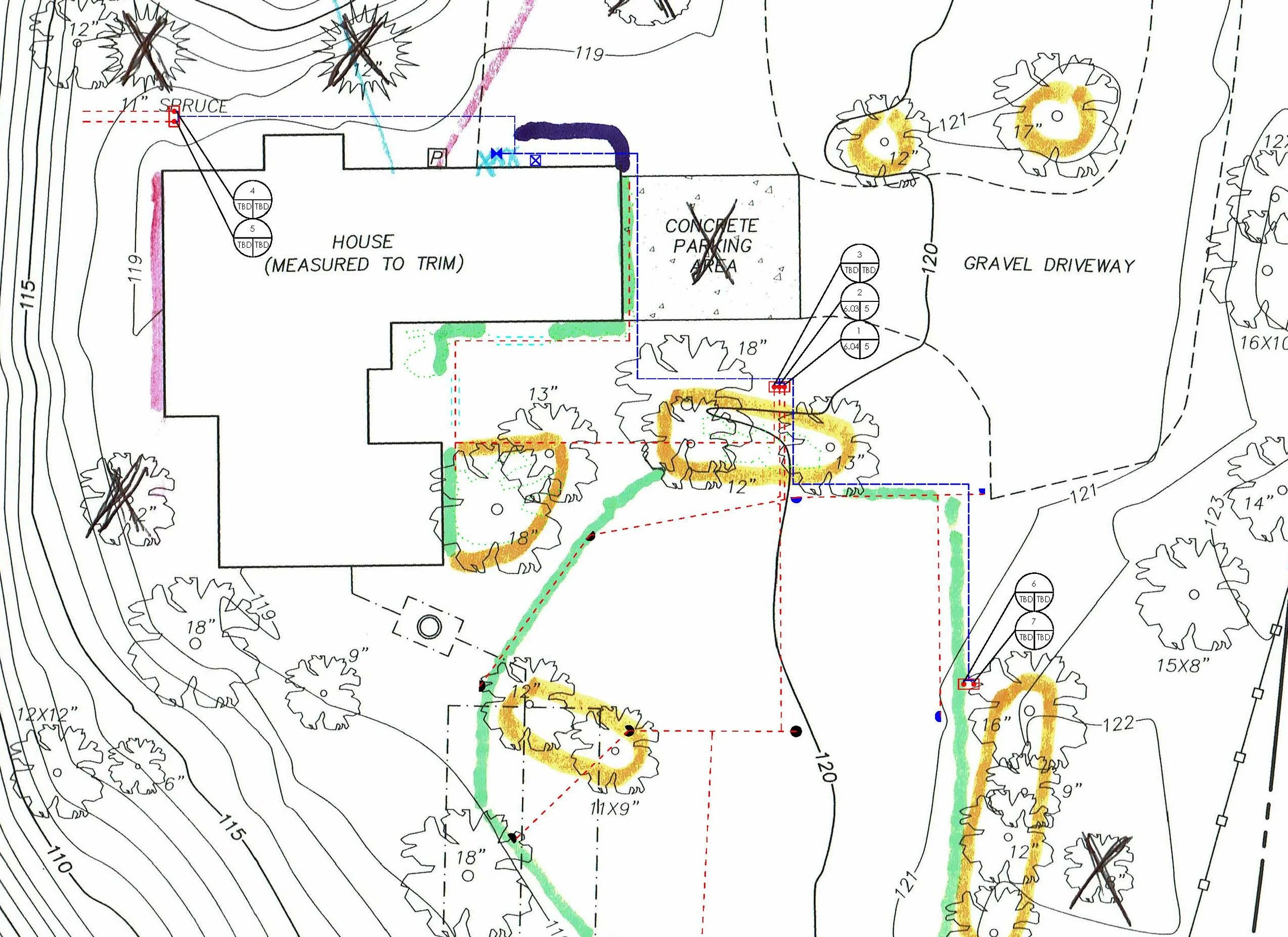
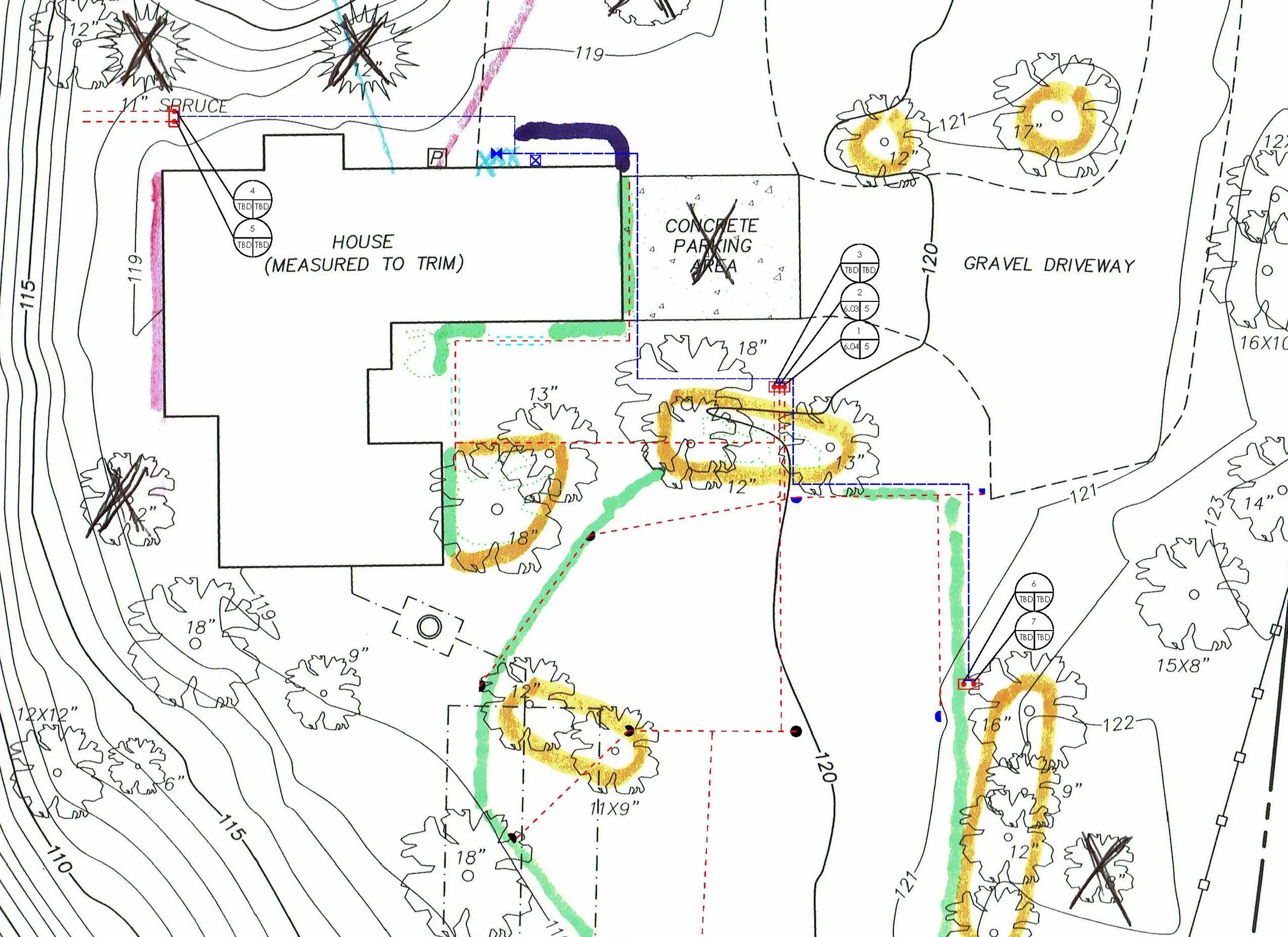
A site plan is a great place to start keeping notes regarding the conditions and properties of the landscape.
Landscape Tips: How to Help Save Trees During a Dry Winter
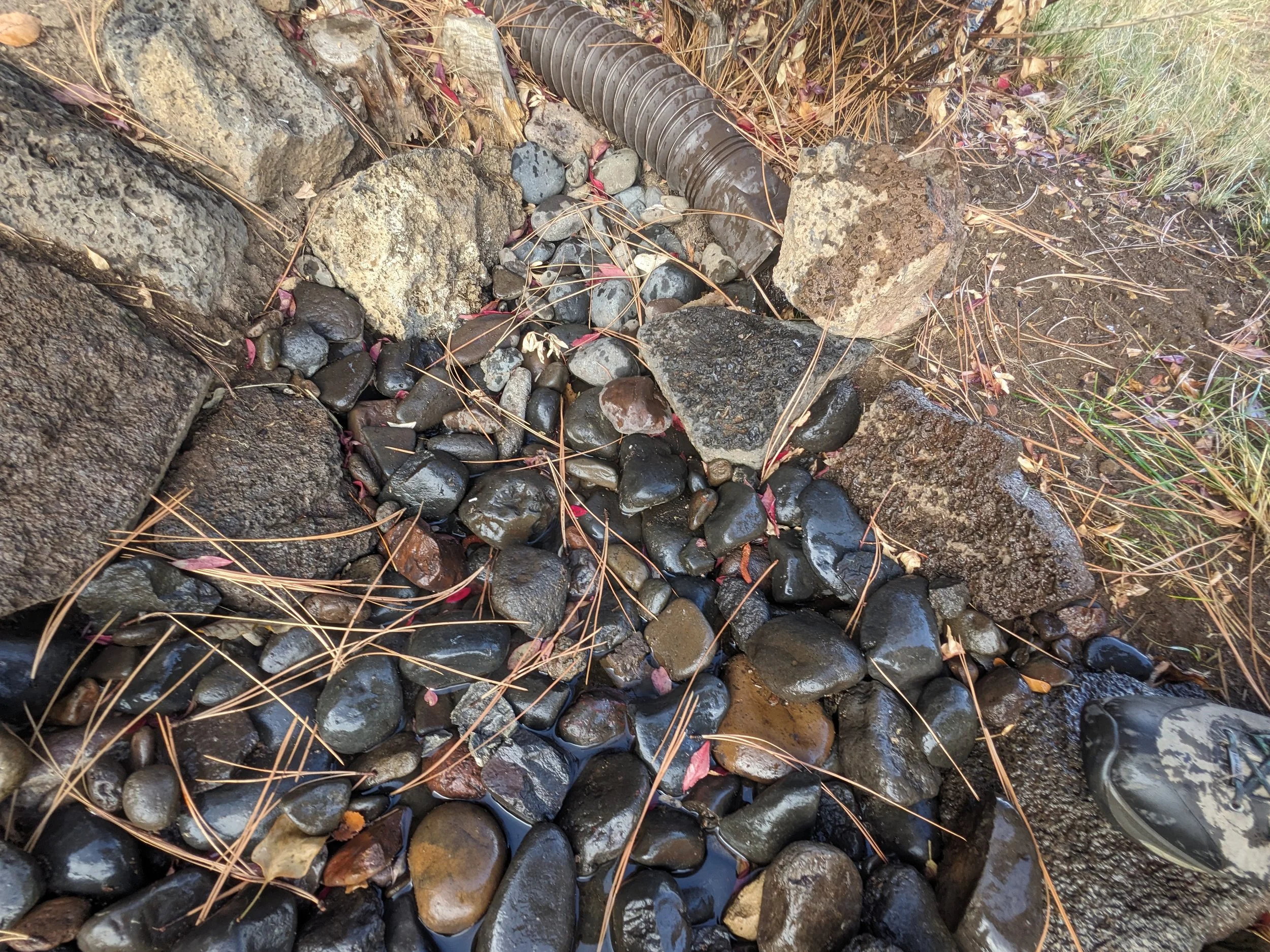
A downspout adapter is directed towards a swale filled with drain rock designed to detain the storm water on site. Benefits of storm water detention include erosion control and providing irrigation to landscapes during winter months.
How to Save Trees During a Dry Winter | Landscape Tips
Another dry winter is here, and for newly planted trees, it can be a season of struggle rather than a rest. Without snow to act as an insulator and retain moisture, soil moisture levels can plummet. Contrary to popular belief, trees still need water in the winter. While they consume less than they do during the growing season, a minimal amount of water is vital for survival - especially for conifers and other trees during their first three years of establishment.
Since most irrigation systems are winterized and turned off, supplemental water means dragging a hose across a frozen yard. If you want to make winter watering easier and more effective, consider these professional landscape strategies:
Strategic Placement: Before planting, evaluate your land’s topography. Identify natural low points where moisture collects or areas prone to extreme dryness. Positioning trees where they naturally receive storm water runoff can significantly reduce the need for manual watering.
Passive Rain Harvesting: Consider altering your landscape to direct runoff toward your trees. This can be done discreetly with underground piping connected to downspouts, or aesthetically through swales and dry stream beds. This approach provides off-season hydration while preventing negative drainage issues near your foundation.
Dedicated Irrigation Zones: If you are installing a new system, place trees on their own irrigation zone. Trees have different water needs than turf or shrubs. Improper watering during the establishment phase leads to shallow roots, making trees more susceptible to disease, wind damage, and death.
Winter-Ready Irrigation Design: For a truly proactive approach, design your irrigation tree zone with winter use in mind. By utilizing these design elements, you can measure the amount of water your trees receive and avoid over watering that can easily kill trees during the dormant season. Creative design solutions include:
Quick coupler valve with check valves for temporary connections
Root watering systems and bubblers that deliver water directly to the root zone
Auto-drains and flush valves that allow pipes to empty after use, preventing freeze damage
If you’d like to further explore any of these ideas or possible other options and see how they could benefit your project, contact us today.